Chicken Nesting Box Tutorial
Hen Nesting Tips to Improve Egg Production
Increasing egg production in your flock requires attention to several key factors. Here are some tips to boost egg production and create an environment for your hens to lay eggs comfortably and consistently.
What is a chicken nesting box?
A chicken nesting box is a designated space within a coop or chicken house where hens lay their eggs. It provides a clean and secure environment for egg-laying.
How many nesting boxes do I need for my chickens?
Typically, you should have one nesting box for every 4-5 hens. This ratio helps prevent overcrowding and competition for nesting space.
What size should chicken nesting boxes be?
A standard size for a nesting box is around 12×12 inches (30×30 cm) with a height of about 12 inches (30 cm). But, the size can vary based on the breed of chickens you have.
Can I use plastic nesting boxes instead of wooden ones?
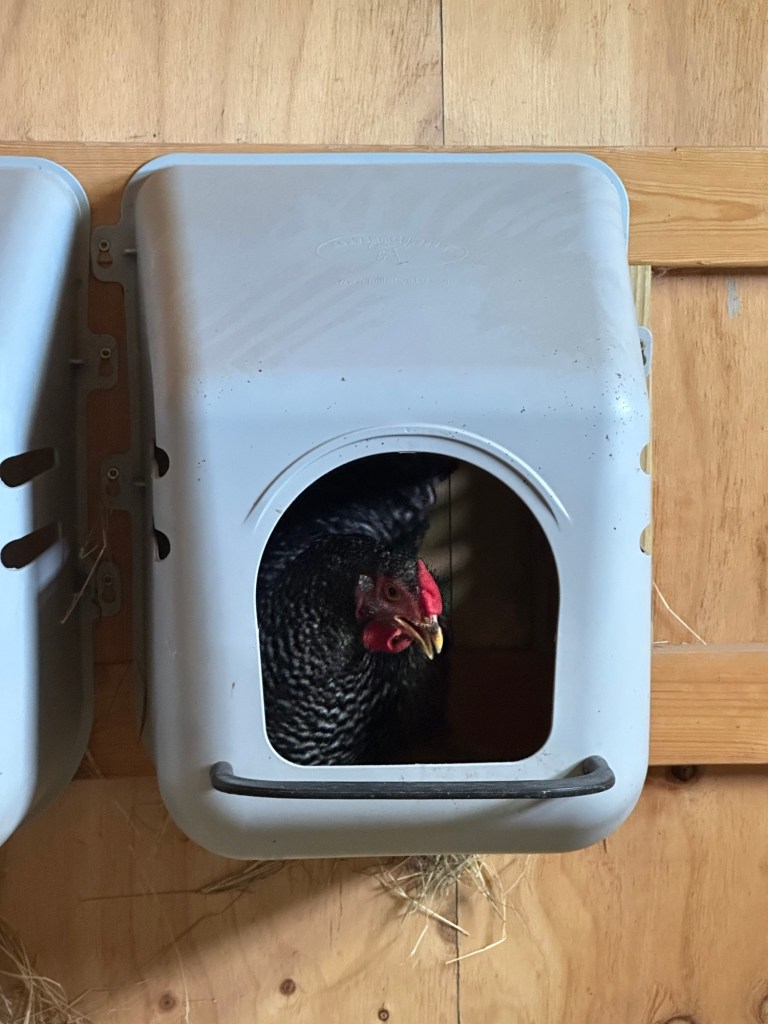
Yes, plastic nesting boxes are a suitable alternative to wooden ones. They are durable, easy to clean, and resistant to moisture.
Where should you put your chicken’s nesting boxes?
Place the nesting boxes in a quiet, dark, and secluded area of the coop. Hens prefer privacy when laying eggs.
Adequate lighting can help hens feel comfortable in the nesting boxes. If the area is too dark, consider adding a small, low-wattage light source.
Nesting boxes don’t have to be off the ground. It is easier on you to have them about 18 inches off the floor. Keep your roosting bars higher than your nesting boxes. Hens roost in the highest place possible. If that is your nesting boxes, then you will end up with chicken poop in them.
Also having your roosting bars higher in your chicken coop also helps keep them warm in the winter.


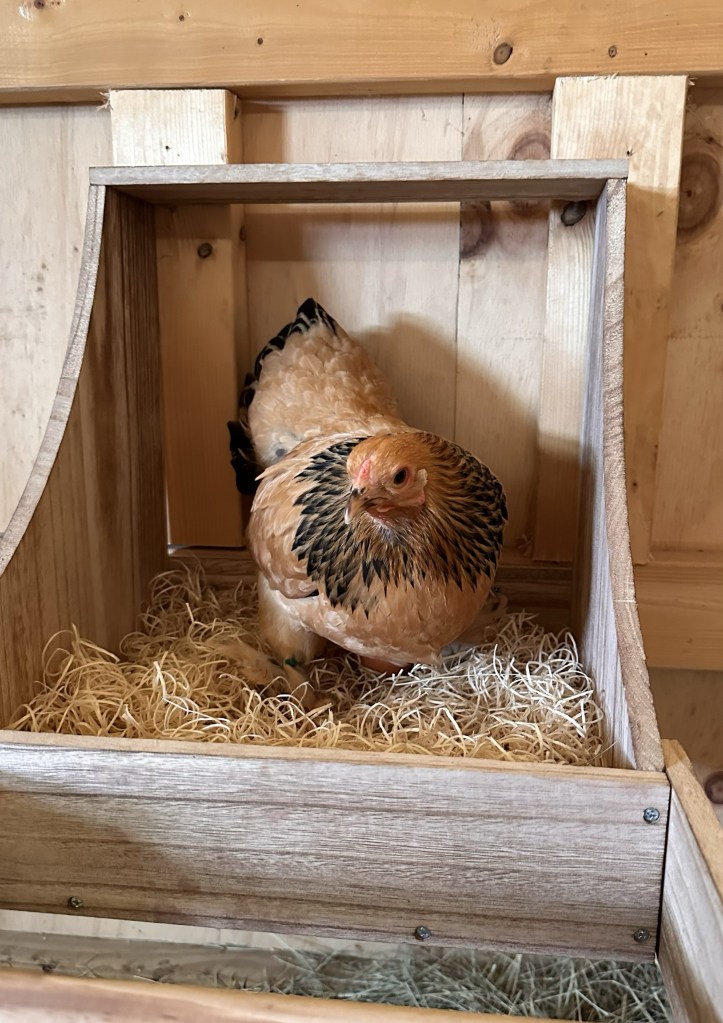
For size reference, these chickens are bantam pullets, small and young hens.
What should I use for nesting box bedding?
Common bedding materials include
- hay
- straw
- wood shavings
- shredded paper
- store-bought nesting box liners
Choose a material that is clean, dry, and easy to replace. Comfortable nesting material encourages hens to lay eggs.
What should you put in chicken nesting boxes?
You can also add herbs to your nesting boxes. Adding herbs to your nesting boxes has many health benefits. They can help keep out pests and even help stimulate egg production.
How often should I clean the nesting boxes?
You should clean the nesting boxes regularly. Ideally once a week or when it becomes soiled or flattened. Remove soiled bedding and replace it with fresh clean bedding. This helps maintain a hygienic environment for your eggs. Keep the nesting boxes free from feces, feathers, and debris. A clean environment reduces the risk of egg contamination.

Do roosters use nesting boxes?
No, roosters do not use nesting boxes. Keep them separate from the hen’s nesting area to reduce stress and disturbance. Ensuring a quiet and private nesting area can encourage hens to use the boxes.
What can I do if a hen is not using the nesting boxes?
If a hen is laying eggs outside the nesting boxes, try to identify and address any stress factors in the coop.
Try keeping them in the coop until mid morning. Most chickens lay their eggs in the morning. Keeping them in the coop can encourage them to use the nesting boxes.
Should I add fake eggs or golf balls to the nesting boxes?
Yes, placing fake eggs or golf balls in the nesting boxes can encourage hens to lay their eggs there.
How can I prevent my chickens from eating their eggs?
Adding fake eggs or golf balls to the nesting box can discourage egg-eating behavior. Also ensure that your nesting boxes are dark and cozy, as chickens are less likely to peck at eggs in a dimly lit area. Collect eggs promptly to reduce the temptation.
How to prevent hens from going broody?
Gathering eggs at least once a day also prevents hens from going broody.
Check for signs of broodiness, mites, or other problems in the nesting boxes. Address any issues to maintain a healthy nesting environment to increase egg production.
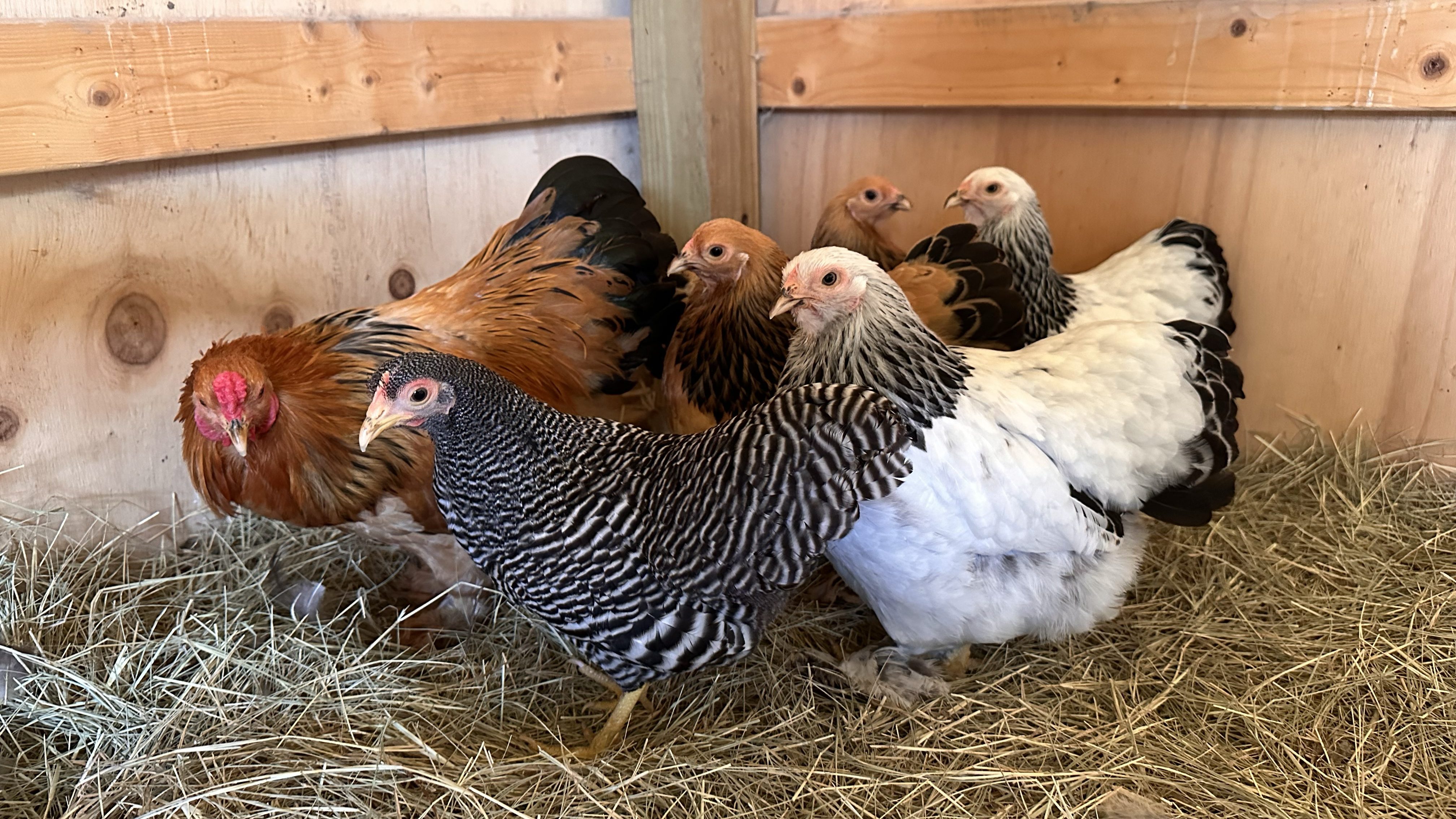
Remember that the specific needs of your chickens may vary. Always watch their behavior and adjust your care accordingly.
Assembly Review
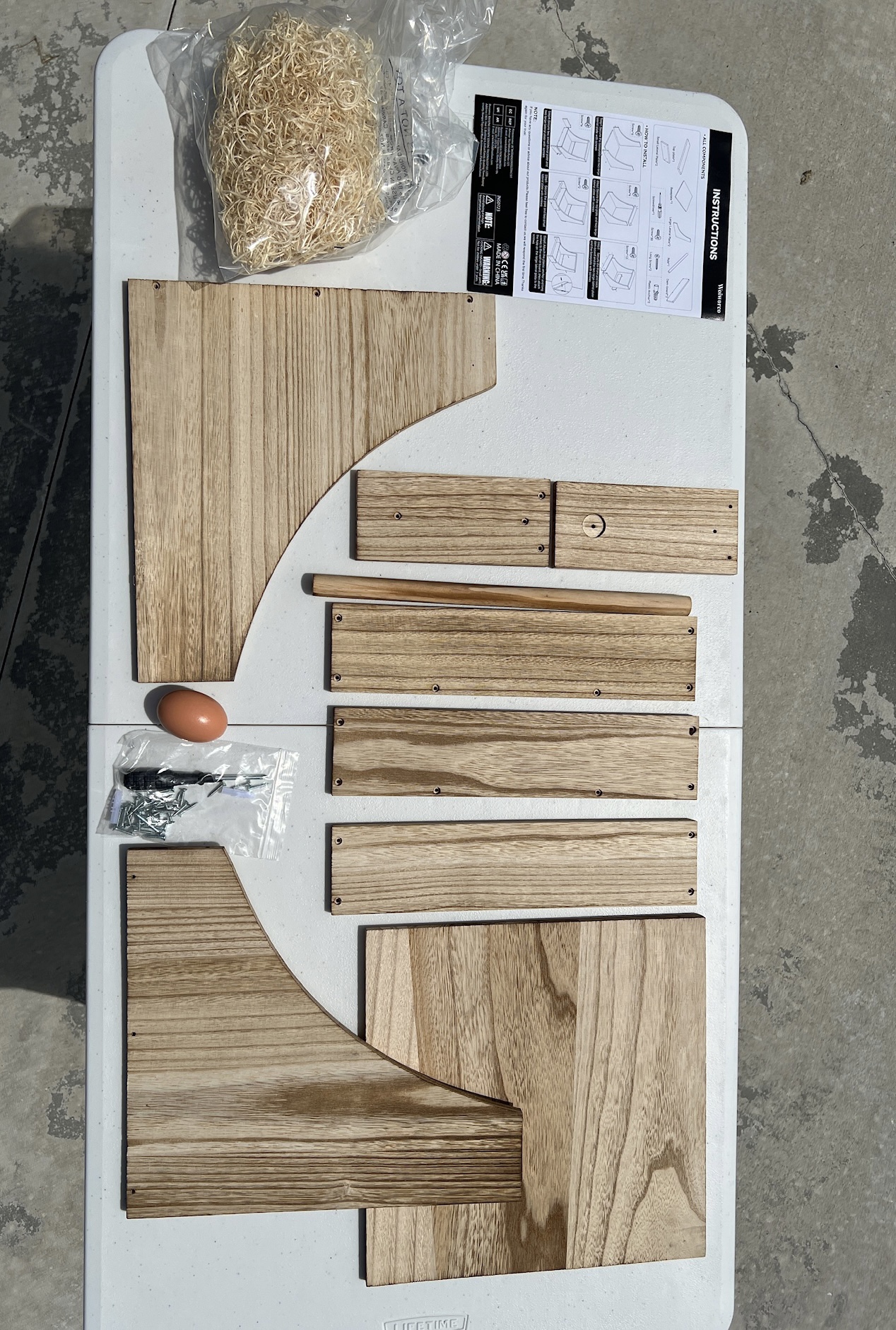
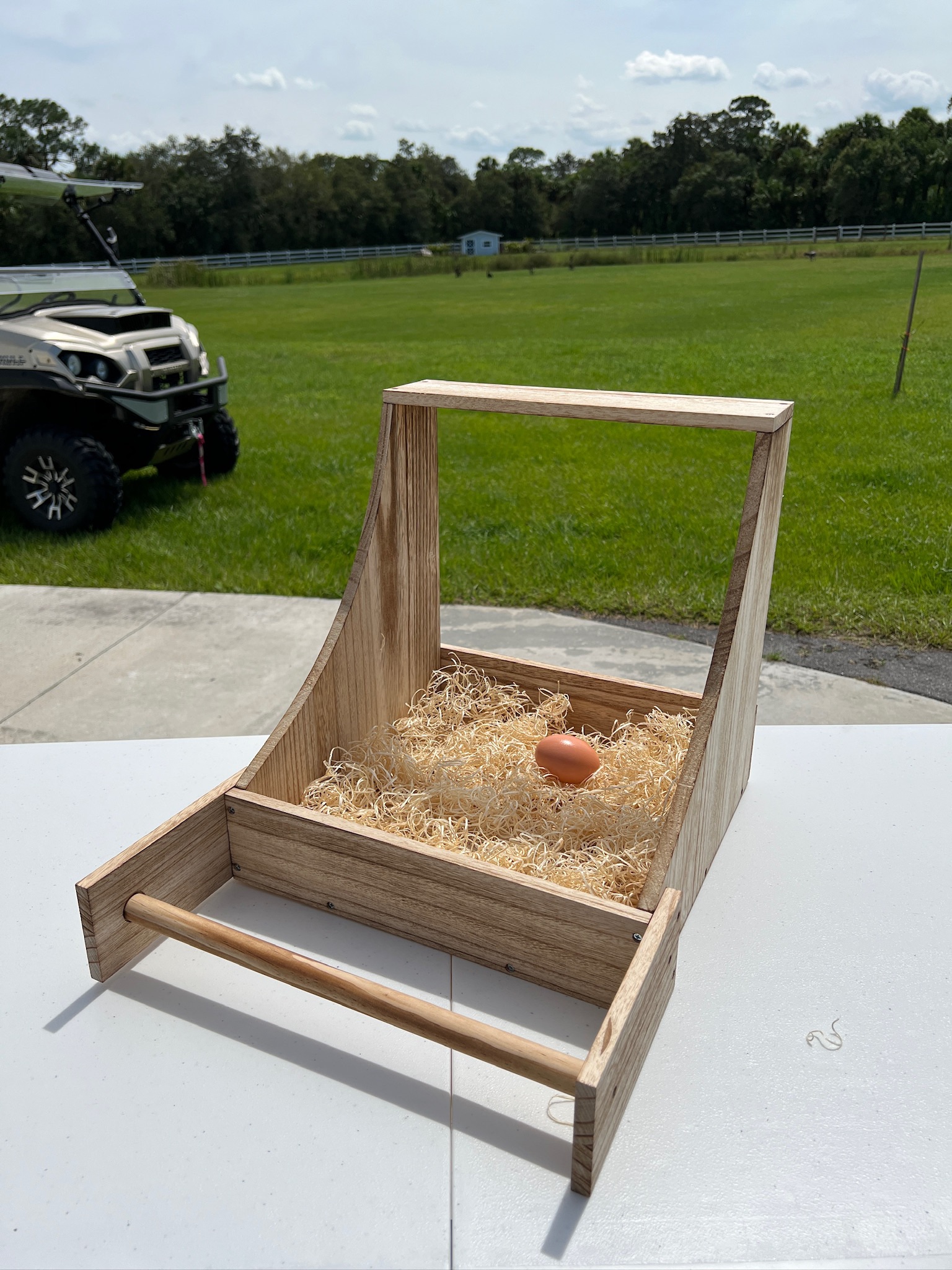
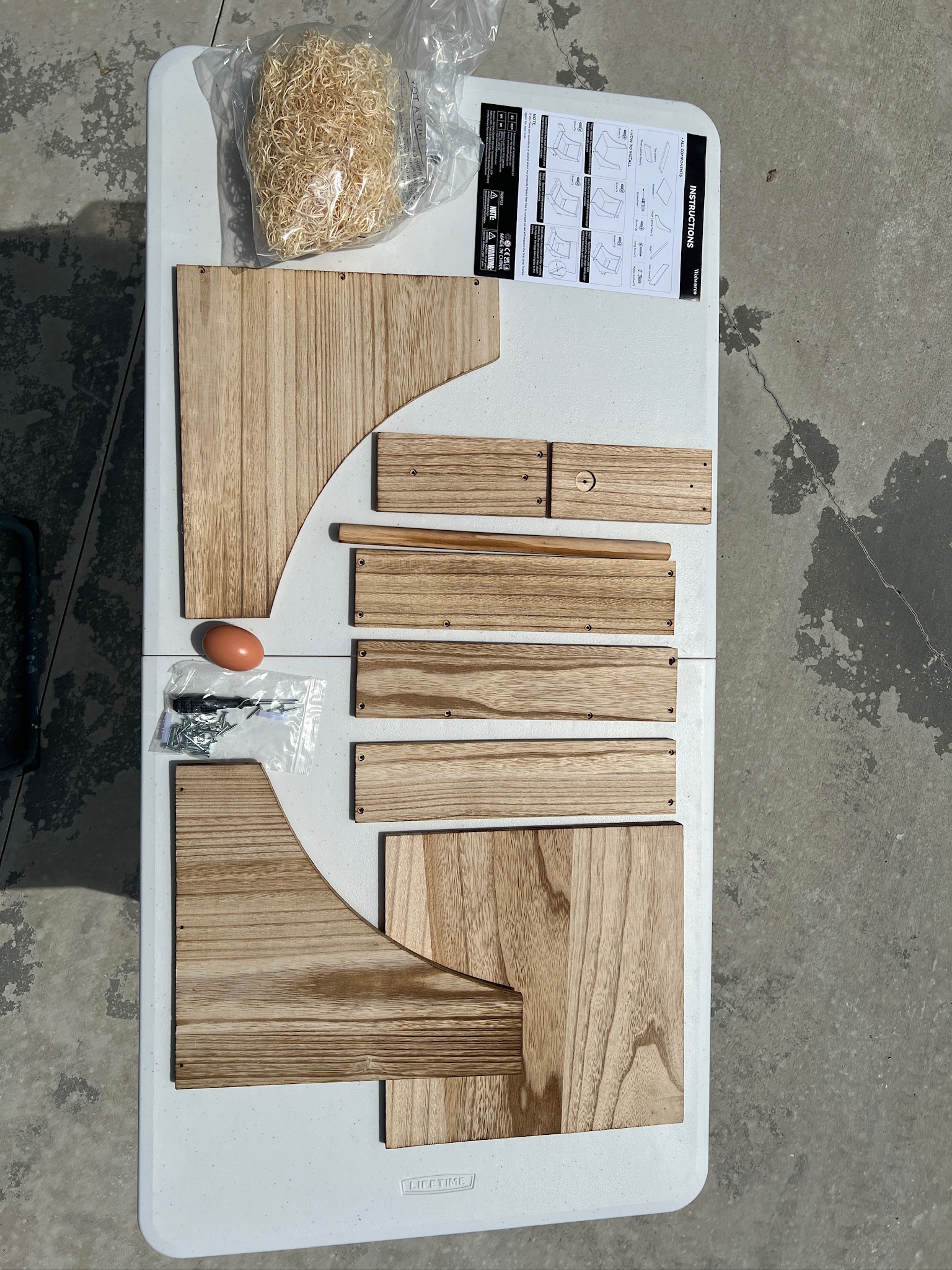
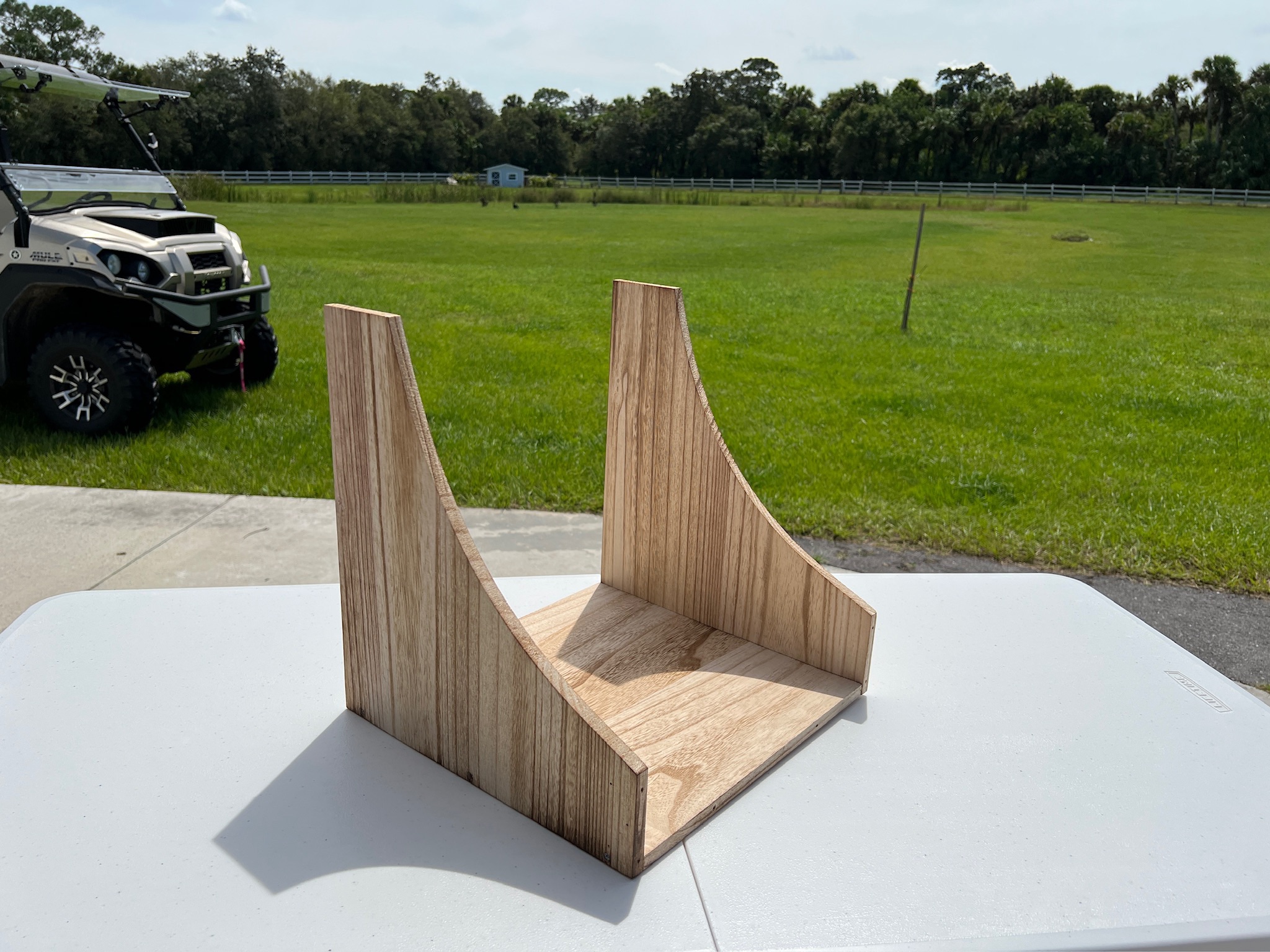
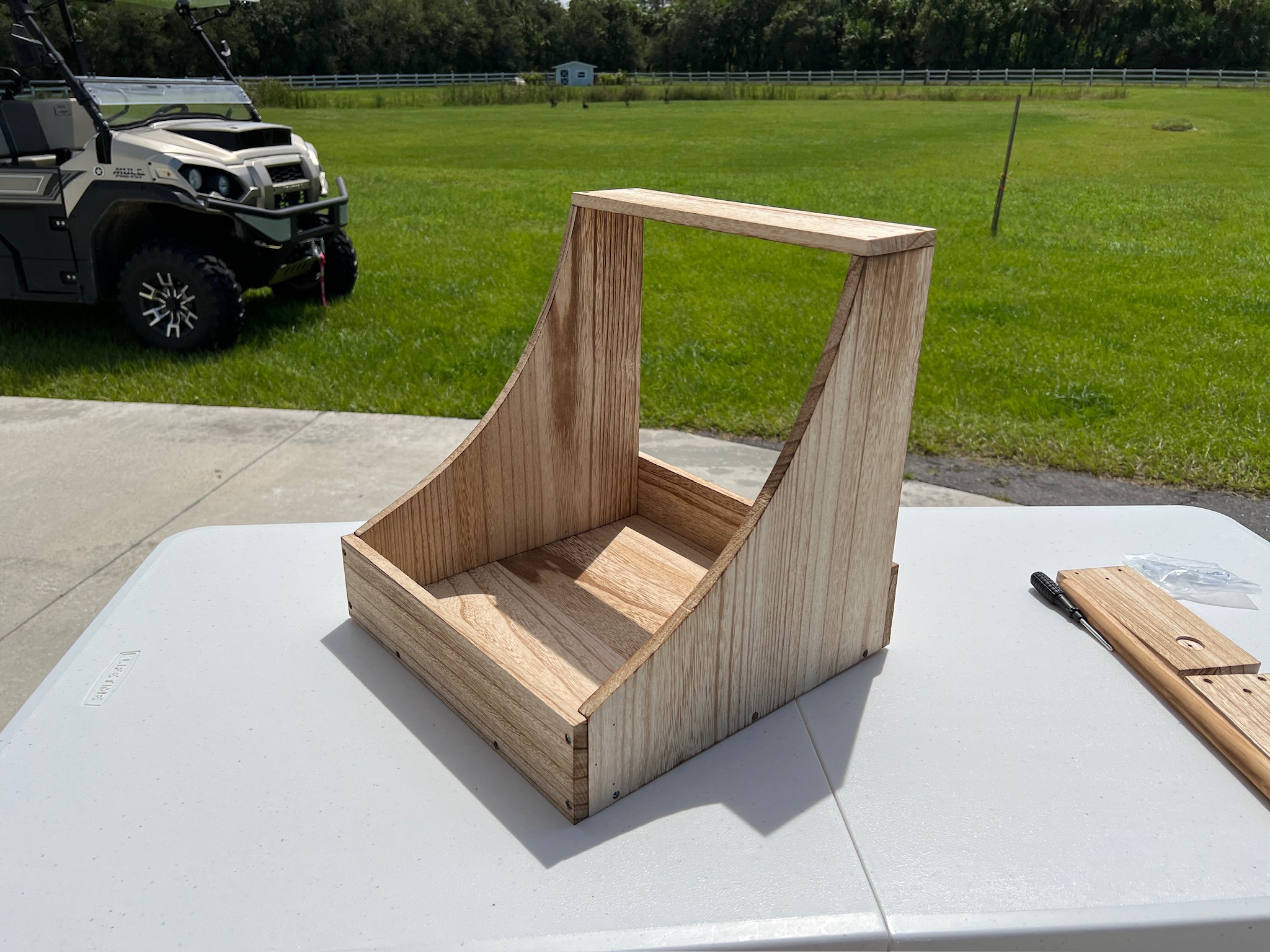
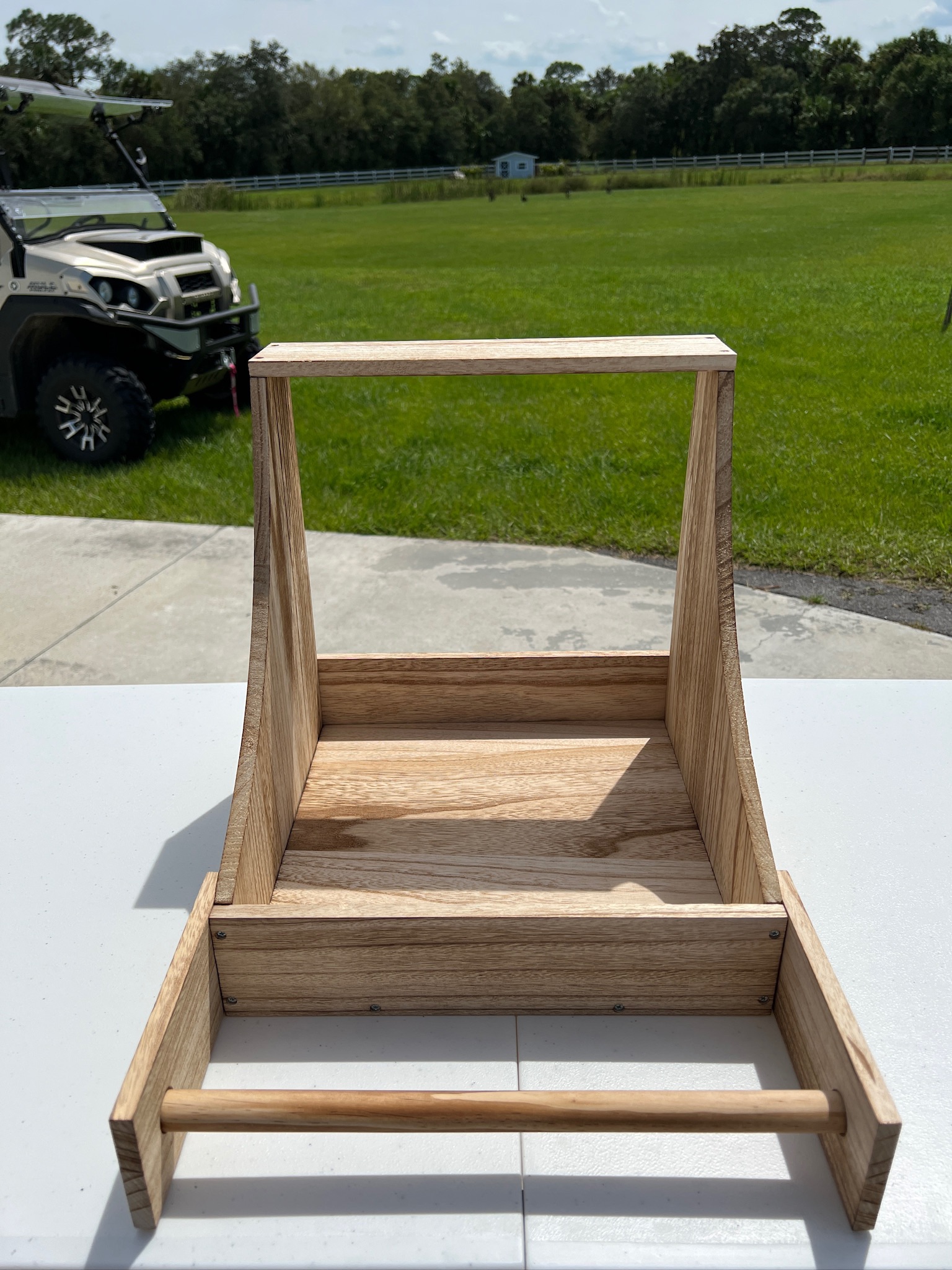
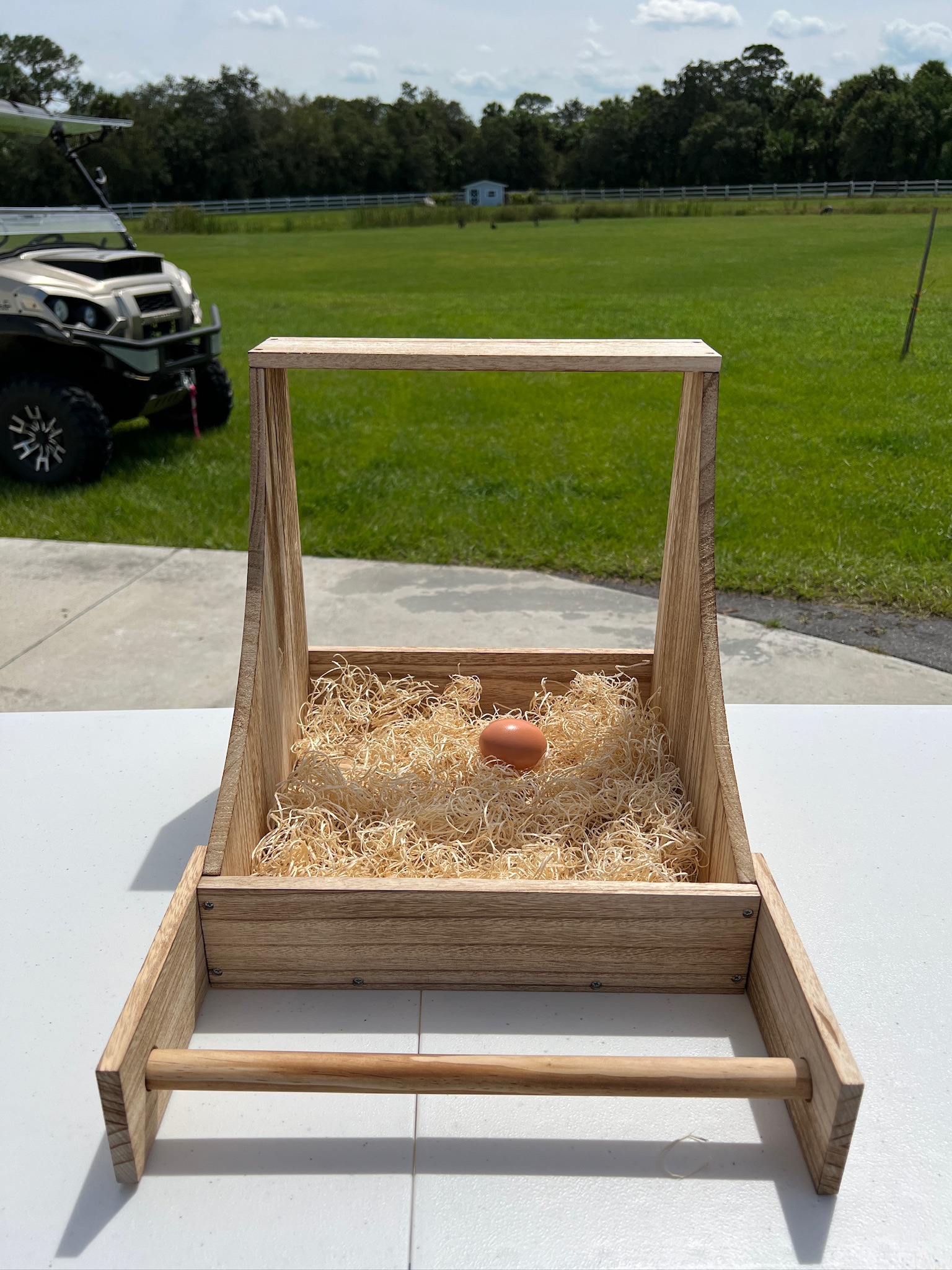
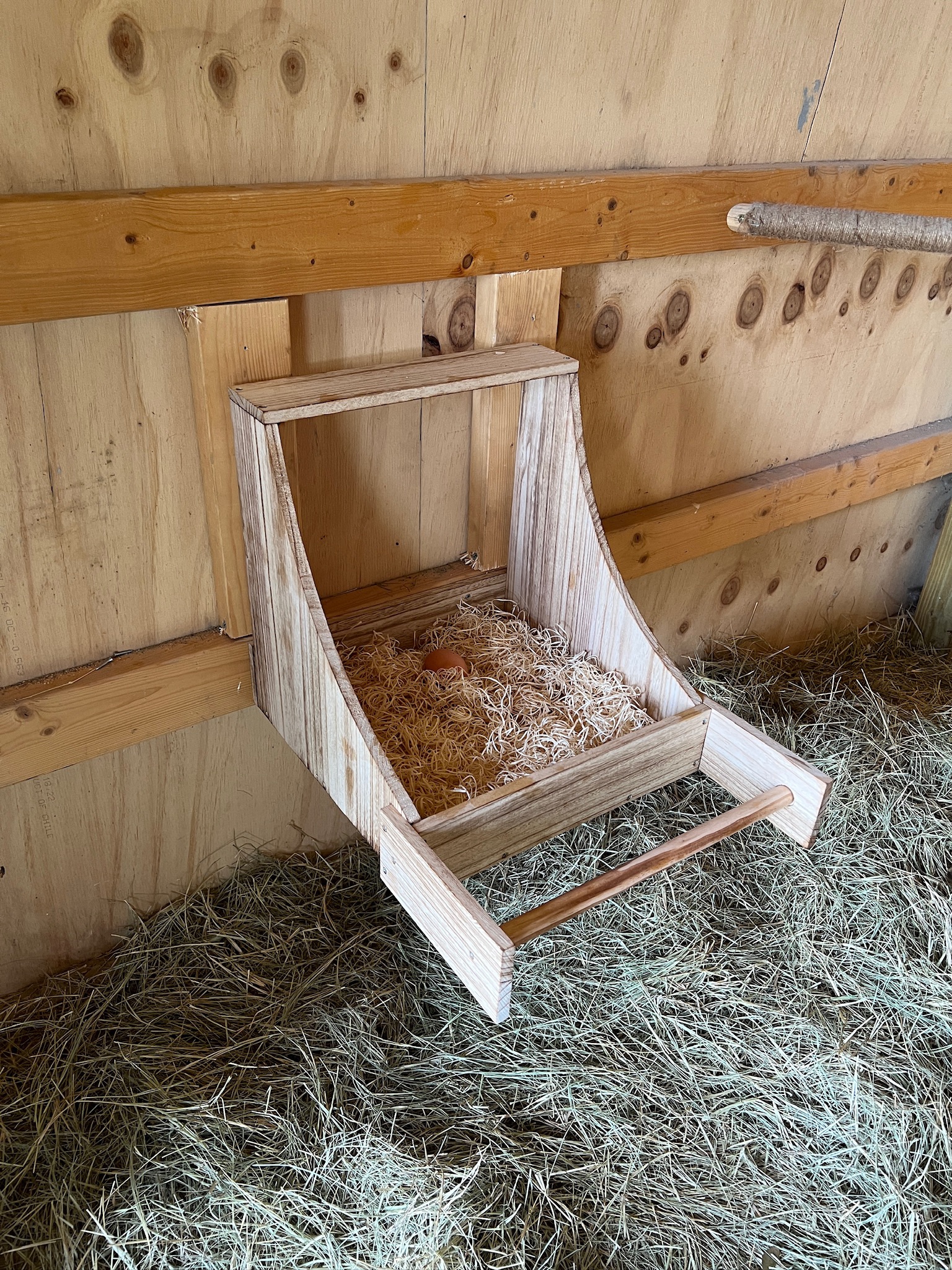
I recently purchased a chicken coop nesting box kit and I am pleased with the results. Putting the nesting box together was a straightforward process. I was able to complete in roughly 10 minutes. The pre-cut and pre-drilled holes were easy to align. All I needed was screws and screwdriver that came in the kit . The quality seems sturdy enough for my chickens. The coop I have is completely enclosed so I shouldn’t have to worry too much about moisture/mold. I wouldn’t recommend exposing it to the elements. The last thing, the included hangers were not quite sufficient. I ended up screwing it directly into 2x4s on the wall of the coop. It looks great and the hens already seem to be loving it! Overall, I would recommend this nesting box.



 Sunrise Chores for Small Animal Farm
Leave a comment