

Effective Lice Solutions for Backyard Chickens
Effective Treatment Methods for Your Flock
Keeping backyard chickens comes with its own set of joys and challenges, and one of the most common challenges is dealing with pests like lice. These tiny parasites can quickly multiply and cause discomfort for your feathered friends if left untreated. But fret not! With the right approach and treatment methods, you can effectively combat lice infestations in your chicken coop. In this blog post, we’ll delve into practical steps and tips to help you tackle lice and restore your flock’s comfort and health.
Identifying Lice Infestation in Chickens


What are chicken lice?
Chicken lice are small, wingless insects that have a straw like color. They infest the feathers and skin of the chickens. They feed on the bird’s blood and can cause irritation and discomfort.
What are nits?
Nits are the eggs laid by lice. They are tiny, white, oval-shaped, and often attached to the base of the chicken’s feathers. Nits hatch into nymphs, which then mature into adult lice.
What are the signs of lice infestation in chickens?
Before diving into treatment, it’s crucial to recognize the signs of lice infestation in your chickens. Keep an eye out for the following indicators:
- Excessive Scratching: Chickens infested with lice will often scratch themselves excessively in an attempt to alleviate the irritation caused by the pests.
- Feather Damage: Lice feed on feathers and can cause damage, leading to broken or missing feathers.
- Visible Lice or Nits: Check for tiny, fast-moving insects on the skin, particularly around the vent area, under the wings, and around the neck feathers. Lice eggs (nits) may also be visible on the feathers, appearing as small white or yellowish dots.
Treating lice on backyard chickens is essential for their health and well-being. Lice infestations can cause irritation, discomfort, and can lead to other health issues if left untreated. Here’s a guide on how to treat lice on your backyard chickens:
Effective Treatment Methods
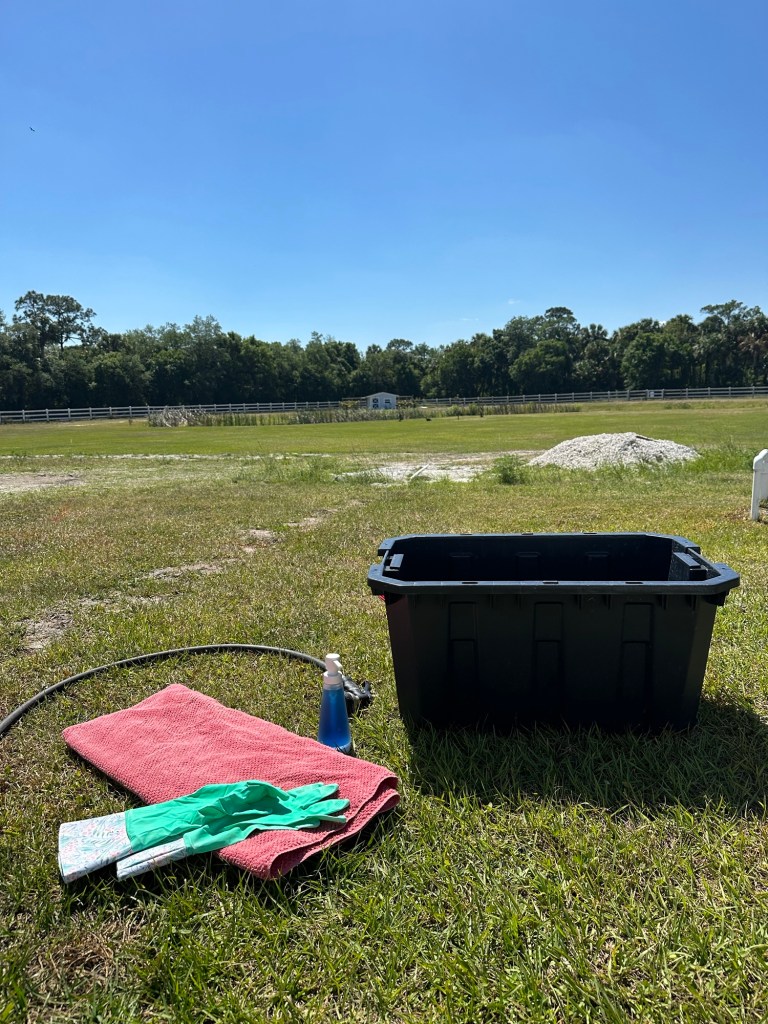

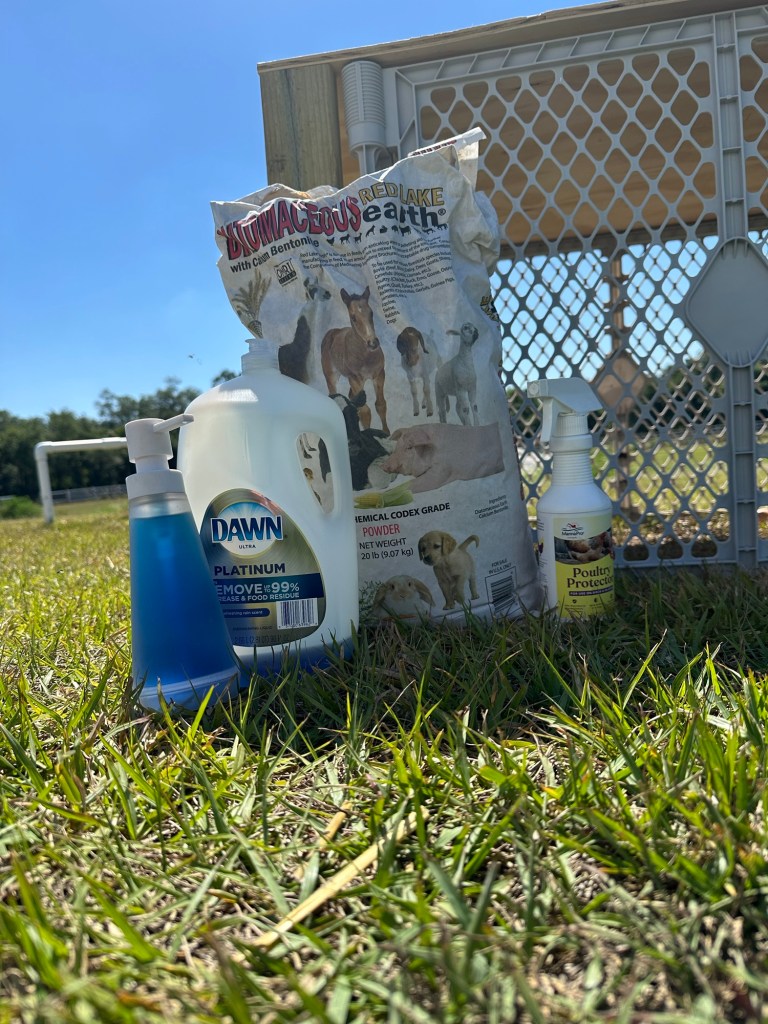
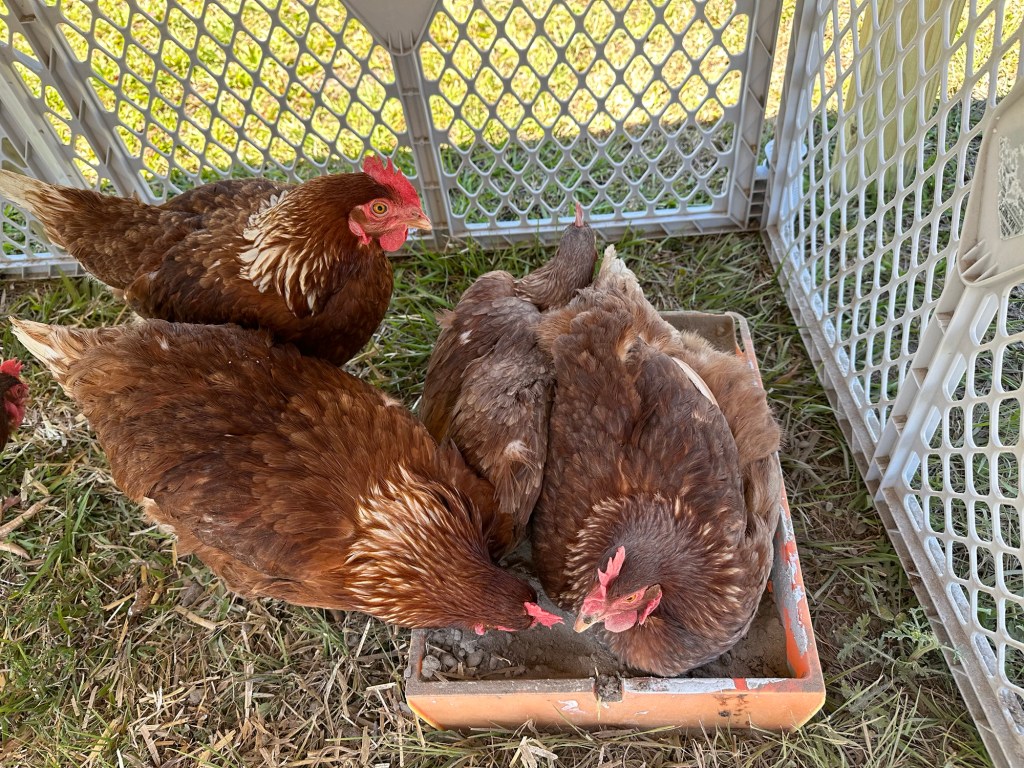
How can I treat lice infestation in my chickens?
Now that you’ve identified a lice infestation, it’s time to take action. Here are some effective treatment methods to combat lice in your flock:
- Clean and Disinfect the Coop: Start by thoroughly cleaning the chicken coop and nesting boxes. Remove all bedding material and scrub surfaces with a disinfectant to eliminate any lice or eggs. Dispose of the old bedding properly to prevent reinfestation.
- Provide a Dust Bath: Chickens naturally dust bathe to clean themselves and remove pests. Offer a dust bath area filled with fine sand, diatomaceous earth (DE), or wood ash. These materials help suffocate and kill lice. Ensure the dust bath area is kept dry, as moisture can reduce its effectiveness. Be cautious while use these these materials, too much can cause respiratory problems in your chickens.
- Natural Remedies: Some natural remedies can help control lice infestations in chickens. These include:
- Neem oil: Dilute neem oil with water according to the instructions and spray it directly onto the chicken’s feathers, focusing on the affected areas.
- Essential oils: Some essential oils, such as lavender, tea tree, or eucalyptus oil, can be diluted in water and sprayed on the chicken’s feathers. Be sure to dilute properly, as essential oils can be irritating to the skin in their concentrated form.
- Herbal remedies: Herbal blends containing herbs such as lavender, mint, or thyme can be sprinkled onto the chicken’s feathers to repel lice.
- Commercial Treatments: Explore commercial poultry lice treatments available in the market. These may include sprays, powders, or dusts specifically formulated to combat lice infestations in chickens. Follow the manufacturer’s instructions carefully when using these products. Be sure to reapply as necessary to fully eradicate the infestation.
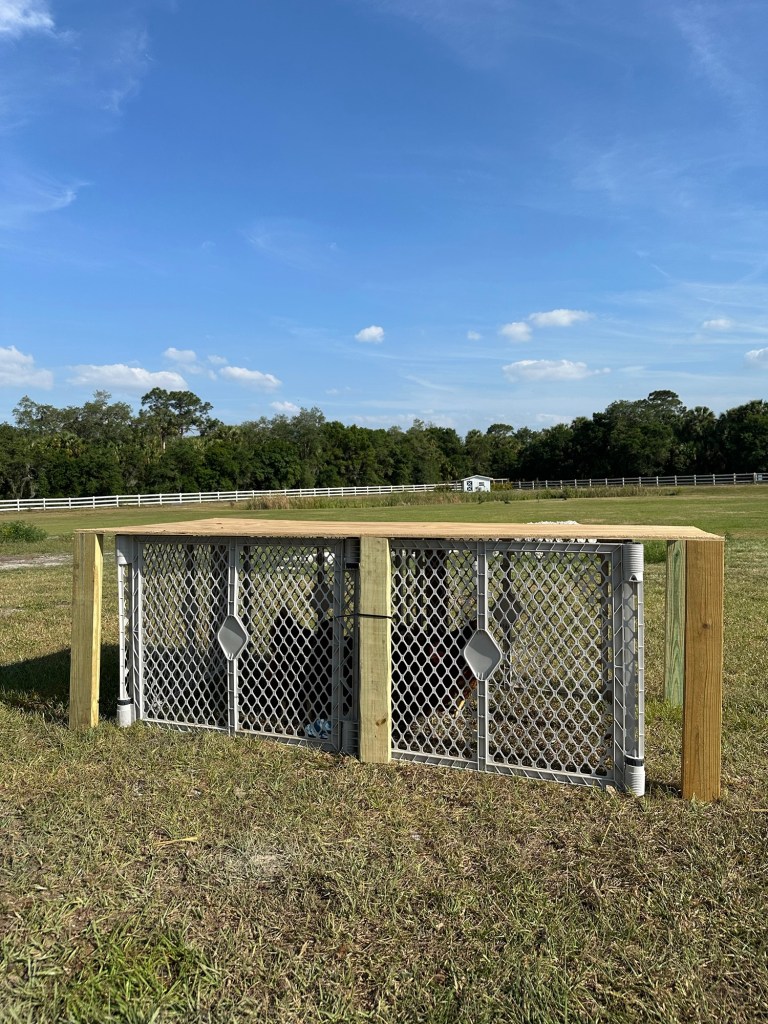
- Isolate Affected Birds: If you have multiple chickens, isolate any birds that are infested with lice to prevent the spread of the infestation to others. Treat the isolated birds separately to ensure thorough treatment.
- Monitor and Repeat Treatment: After treating your chickens for lice, monitor them closely for signs of reinfestation. You may need to repeat the treatment process several times to completely eliminate the lice population.
How long does it take to get rid of lice on chickens?
The duration of lice treatment can vary depending on the severity of the infestation and the effectiveness of the chosen treatment method. It may take several weeks of consistent treatment and monitoring to fully eliminate lice and nits from the flock.


Preventative Measures
Can lice infestations be prevented?
Prevention is key to minimizing the risk of lice infestations in your flock. Incorporate these preventative measures into your routine:
- Regular Coop Maintenance: Keep the chicken coop clean and dry, and regularly replace bedding material to prevent the buildup of pests.
- Dust Bath Access: Ensure your chickens have access to a dust bath area at all times. Refresh the dust bath material regularly to keep it effective.
- Quarantine New Birds: Quarantine new additions to your flock before introducing them to existing birds. This helps prevent the introduction of lice or other pests.
How do chickens get lice?
Chickens can get lice from contact with infested birds or contaminated environments. Lice eggs (nits) can also be transferred through shared nesting areas or coop bedding.
Are chicken lice harmful to humans?
Chicken lice are species-specific and generally do not infest humans. However, handling infested chickens or coming into contact with their environment may cause temporary irritation or discomfort.
Are there any health risks associated with lice infestations in chickens?
While lice infestations themselves can cause irritation and discomfort for chickens, they can also lead to secondary health issues if left untreated. Severe infestations may result in anemia, decreased egg production, or compromised immune function.
When should I consult a veterinarian?
Consult a veterinarian if lice infestations persist despite treatment, if chickens exhibit signs of severe irritation or illness, or if you have concerns about the health of your flock. A veterinarian specializing in poultry health can provide guidance and assistance in managing lice infestations effectively.
Dealing with lice in your backyard chickens can be a challenge, but with the right treatment methods and preventative measures, you can effectively combat infestations and keep your flock healthy and comfortable. By following these steps, you can effectively treat lice on your backyard chickens and help ensure their health and well-being. Remember to monitor your chickens regularly for signs of lice and take prompt action if an infestation occurs. By staying proactive and attentive to your flock’s needs, you can ensure a happy and pest-free environment for your feathered companions. If you’re unsure about any aspect of lice treatment or if the infestation persists despite treatment, consult with a veterinarian who specializes in poultry health for further assistance.
How Long Do Farm Fresh Eggs Last?
A Guide to Storage and Shelf Life Fresh farm eggs are a delight – they’re not only delicious but also packed with nutrients. But if you’ve ever wondered how long they last or how to properly store them, you’re not alone. Let’s dive into the world of farm-fresh eggs and explore their shelf life, factors…
Keep reading

9 Ingredients to Avoid in Chicken Feed
Ingredients to avoid when shopping chicken feed When buying chicken feed, it’s essential to avoid certain harmful or inadequate ingredients. Such ingredients may be harmful to your chickens. Here are some ingredients to avoid: 1. Medicated Additives: Some chicken feeds contain medications such as antibiotics or coccidiostats. Unless a veterinarian prescribes them for a specific health…
Keep reading

21 Day Guide For Incubating Chicken Eggs
Everything You Need to Know to Kickstart Your Hatchling Adventure. How to Collecting and Storing Eggs for Incubation: Collecting and storing eggs for incubation is a crucial step in the process. Here’s how to do it: Tips When Collecting Eggs Storage Conditions Rotating and Marking Timing 21 Day Step-By-Step Guide For Incubating Chicken Eggs Incubating…
Keep reading

 Sunrise Chores for Small Animal Farm
Leave a comment