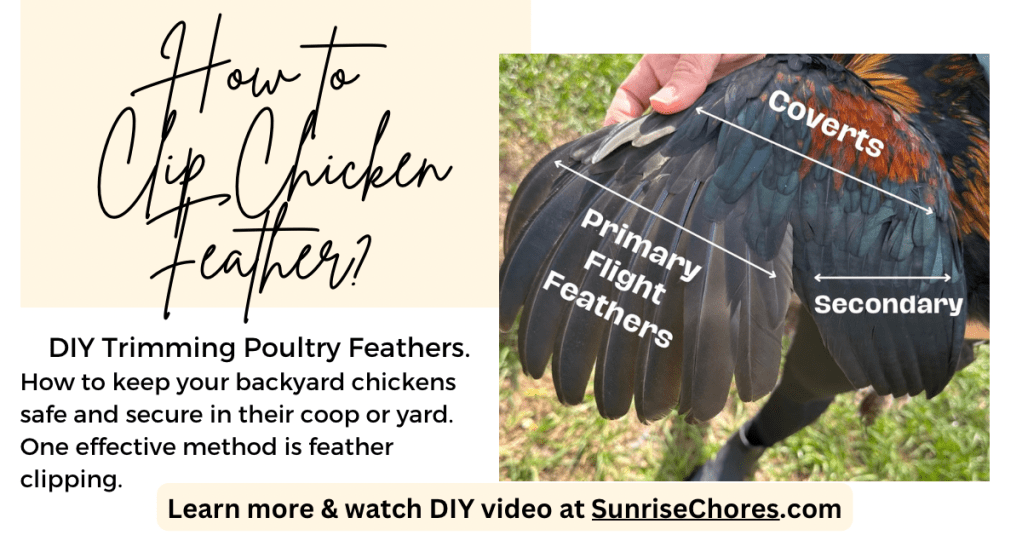
DIY Trimming Poultry Feathers

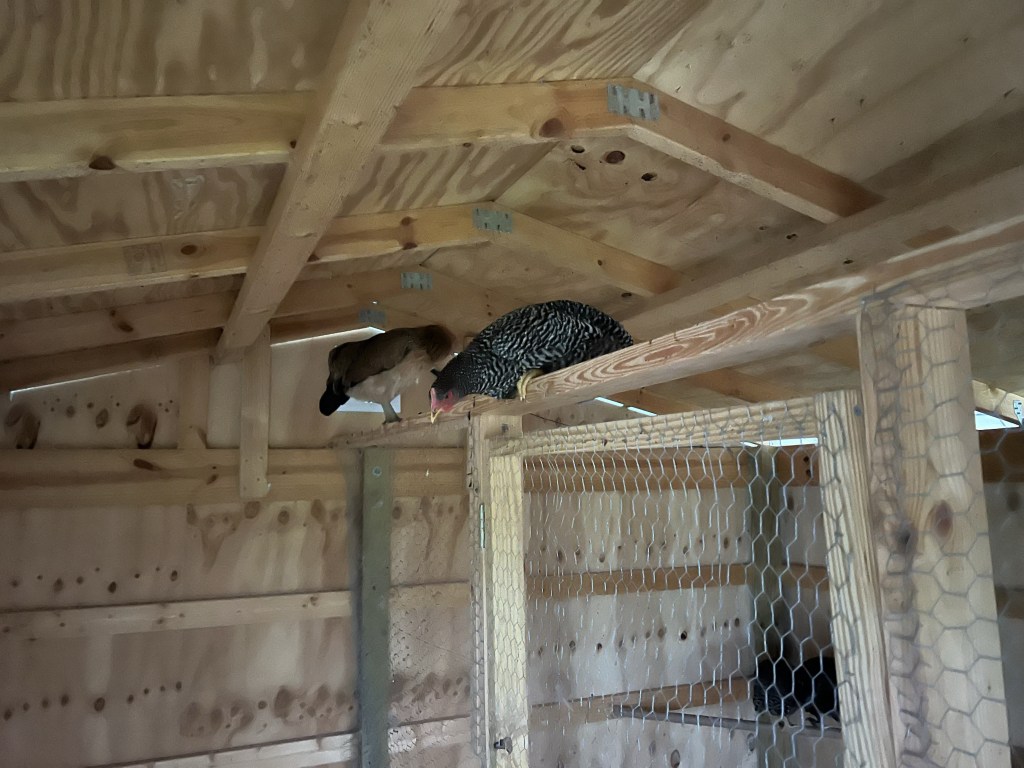
How to keep your backyard chickens safe and secure in their coop or yard. One effective method is feather clipping. Trimming your poultry feathers prevents them from flying over fences and escaping.
Advantages and Disadvantages of Clipping Wings:
- Advantages: Prevents escaping, protects chickens from predators, and reduces the risk of accidents.
- Disadvantages: Temporary solution, requires periodic maintenance, and may stress chickens temporarily.
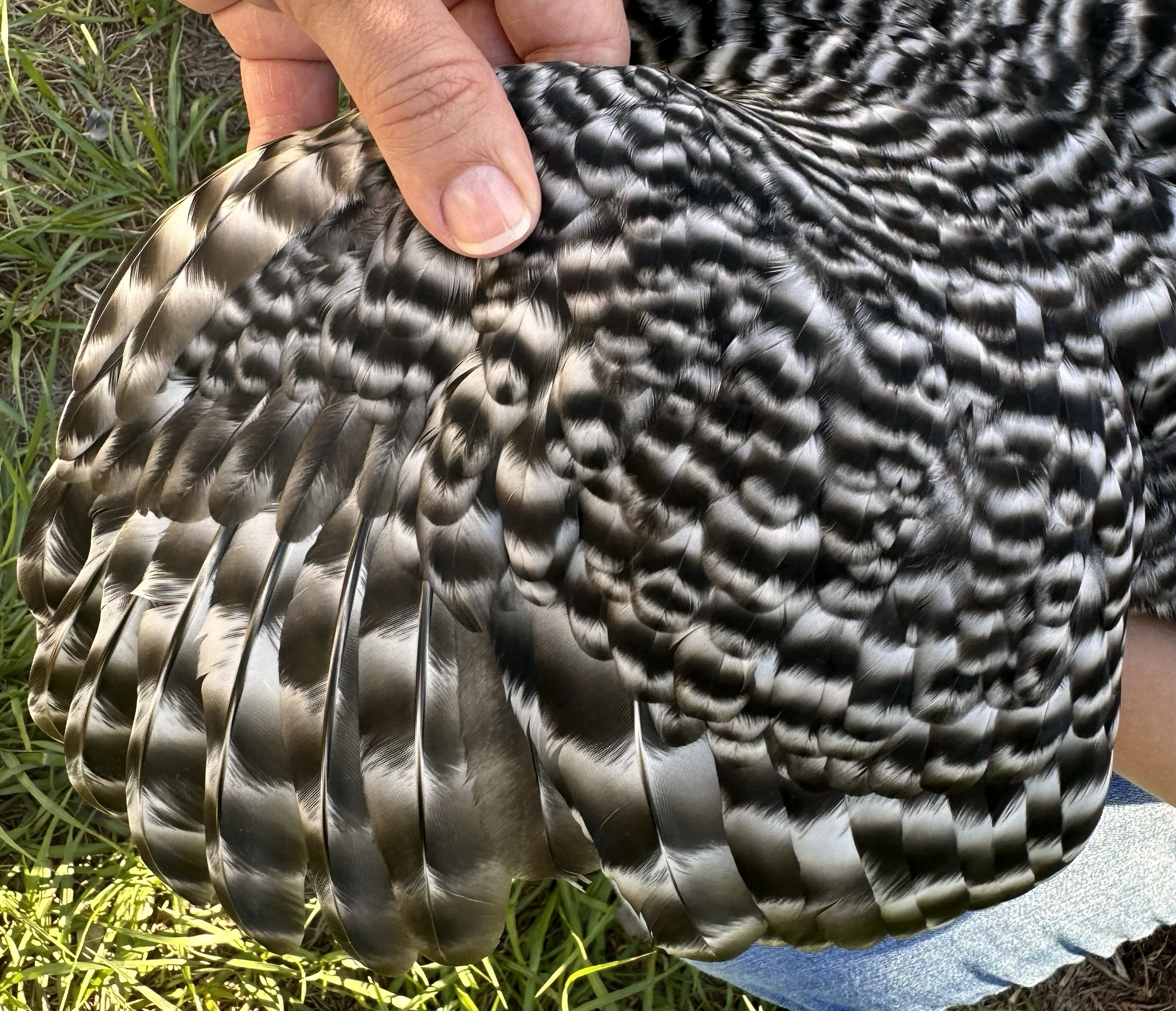
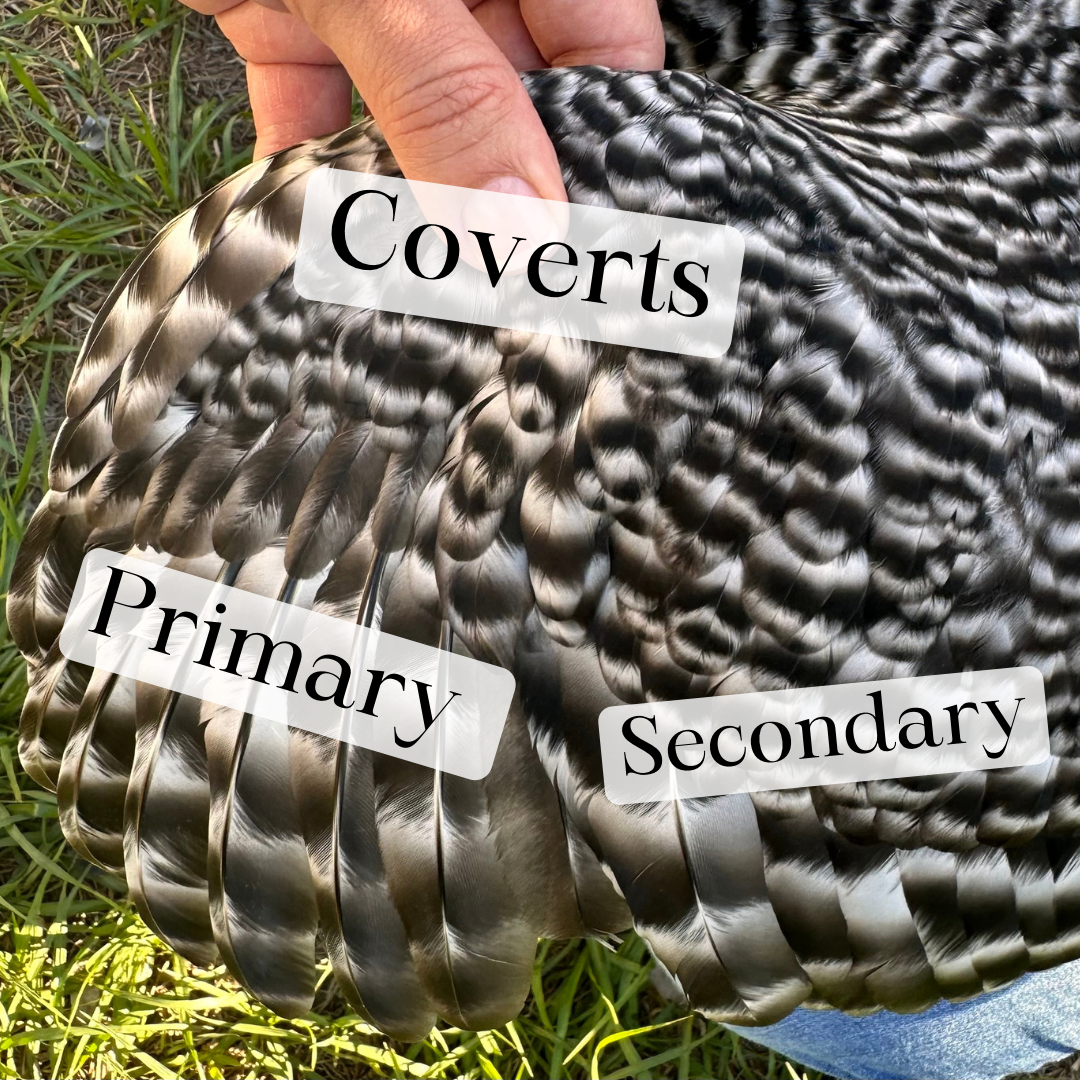
Which feathers should I clip?
– Primary flight feathers on one wing to maintain balance.
Why should I clip my chicken’s feathers?
– Clipping prevents them from flying over fences and escaping.

When is the best time to clip chicken feathers?
– Around 3-4 months of age when chickens are fully feathered and mature.
How often should I clip my chicken’s feathers?
– Periodically, as feathers regrow.
Can I clip feathers during molting?
– No, It’s best to avoid clipping during molting.
Is feather clipping painful for chickens?
– No, it’s like trimming human nails.
What if I Accidentally Cut a Blood Feather?
Accidentally cutting a blood feather can happen, and it can be painful for the chicken. If this occurs:
- Use styptic powder or cornstarch to stem the bleeding.
- Apply gentle pressure with a cotton ball or tissue.
- Monitor the chicken for any signs of shock or distress.
- Isolate the chicken from the flock until it has recovered and is no longer bleeding.
- Consult a veterinarian if the bleeding doesn’t stop or if there are complications.
DuraStat with Oregano by Durvet is a natural blend of oregano, cinnamon, and essential oils designed for poultry. This antibiotic-free formula enhances energy levels and promotes water consumption and appetite in chickens, especially during times of illness, travel, weather changes, or stress.

How do I know if clipping my chickens feathers is stressful for them?
– Watch for signs of distress and ensure a safe environment.
Common signs of distress are
- Isolation
- Puffed Feathers
- Reduced Activity
- Hunched Posture
- Reduced Appetite
- Labored Breathing
- Abnormal Behavior
- Distressed Squawking
Can I let my chickens free-range with clipped wings?
– Yes, but supervise them to ensure safety.
Are there any legal regulations about feather clipping for chickens?
– Check local regulations, as they may vary.
Are there alternatives to feather clipping for preventing flight?
– Yes, consider raising lower-fenced enclosures or using netting to cover the coop.
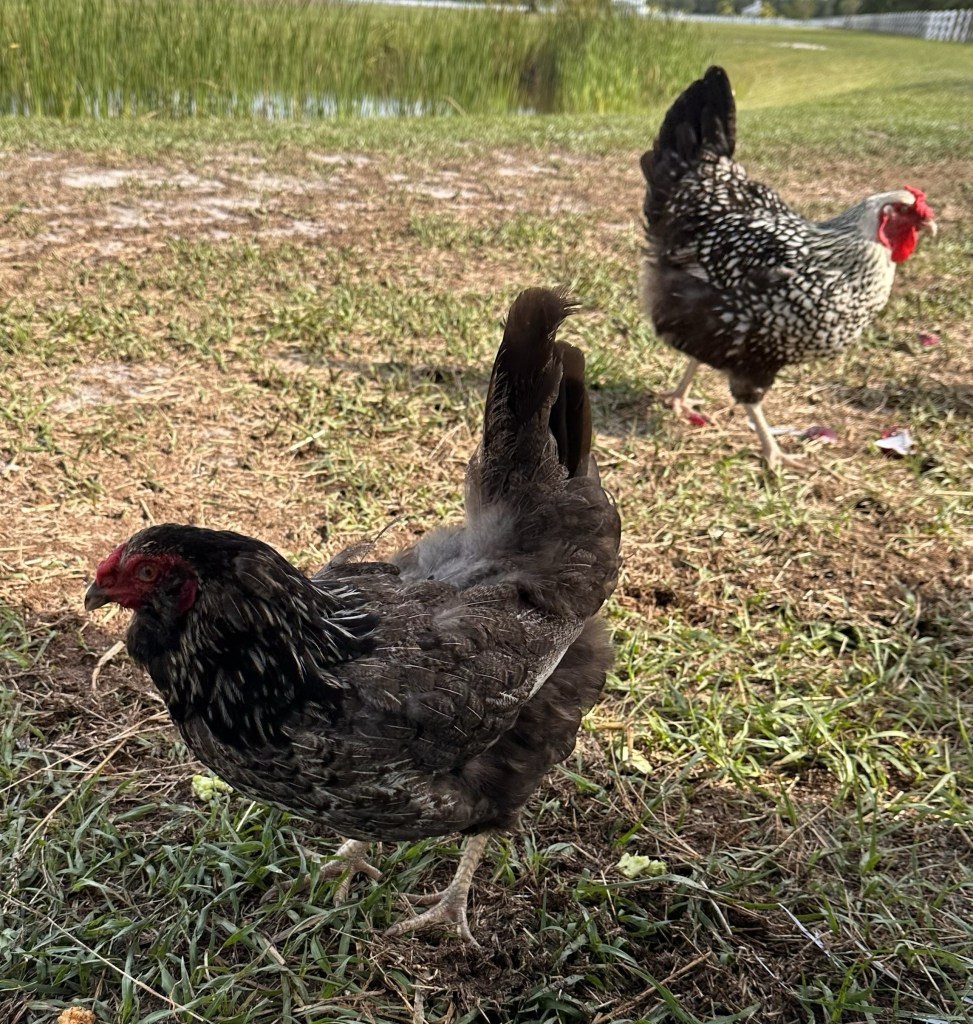
Remember, feather clipping is a temporary solution. The feathers will eventually grow back. It’s important to perform this task with care. To ensuring the safety and well-being of your chickens.
Step-by-Step Guide to Clipping Chicken Feathers
1. Gather Your Supplies:
- Sharp scissors or poultry shears
- A friend to assist you (optional but helpful)
- Towel or blanket to calm the chicken (optional)
2. Catch the Chicken:
- Gently catch the chicken, ensuring it’s calm and not stressed. You can use a towel or blanket to cover its wings if it’s skittish.

3. Identify Different Types of Feathers:
- Primary Wing Feathers: These are the long feathers at the tips of the wings. Primarily responsible for lift during flight.
- Coverts: These are smaller feathers that cover the primary feathers. Don’t clip
- Secondary Wing Feathers: Located closer to the body. These feathers support the primary feathers.
- Pin Feathers: These are new feathers growing in. Avoided them during clipping as they contain blood vessels.


4. Choose the Right Wing:
- Decide which wing to clip. It’s usually enough to clip the primary feathers on one wing. This allows the chicken to maintain balance.
5. Clip the Feathers:
- Carefully trim about 1/3 to 1/2 of the primary flight feathers on the chosen wing. Avoiding the coverts, secondary feathers, and pin feathers.
6. Check for Bleeding:
- After trimming, inspect for any bleeding. If you accidentally cut a blood feather, use styptic powder or cornstarch to stop the bleeding. Apply gentle pressure until it stops.
7. Repeat on the Other Wing:
- If necessary, repeat the process on the other wing.
8. Release the Chicken:
- Once you’re finished clipping both wings. Assess chicken for bleeding or distress. Then release the chicken back into its enclosure.
This post contains affiliate links.


 Sunrise Chores for Small Animal Farm
Leave a comment