
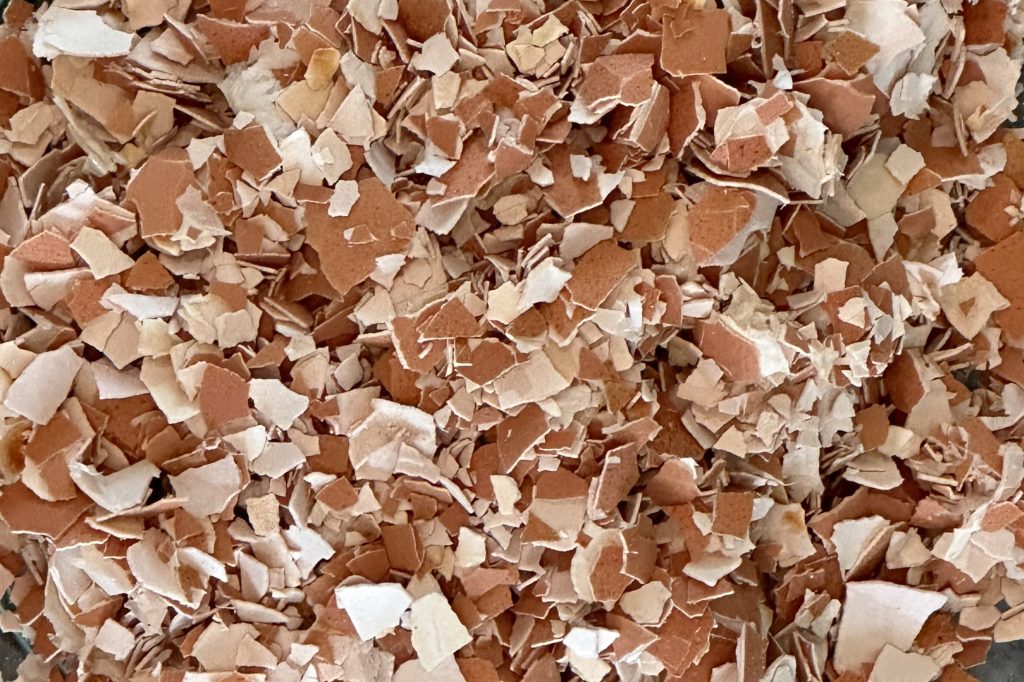
How to feed eggshells to your chickens?
Benefits of Calcium Supplements for Chickens
Especially for Laying Hens
Stronger Eggshell Quality:
Strong and more durable egg shells is the primary benefit of calcium supplement. Calcium is a vital part of eggshell formation. A deficiency can result in thin or soft shells that are prone to breaking or other problems. It helps reduces losses during collection and storage. Making them more appealing to the consumer.
Increased Egg Production:
Hens receiving a fair amount of calcium are more likely to lay routinely. Egg production tends to stay at a higher rates.
Reduced Risk of Egg Abnormalities:
It can reduce egg abnormalities, such as shell-less eggs or eggs with deformities. This ensures that the eggs are higher quality and suitable for consumption or sale.
Stronger Bone Health: Calcium is essential for bone development and maintenance in chickens. Strong bones are necessary to support the bird’s body weight and maintain mobility. It reduces the risk of bone fractures or weakness.
Prevention of Calcium Depletion:
Laying hens can use up their calcium reserves quickly when producing eggs. Calcium supplements help replenish these reserves. Preventing health issues associated with calcium deficiency.
Improved General Health:
It supports;
- Muscle Function
- Calcium is essential for muscle contraction in chickens. Allowing them to peck, scratch, and flap their wings.
- Nerve Function
- Calcium ions helps send nerve signals. Allowing transmissions between nerves and muscles.
- Blood Clotting
- Other Essential Functions
Longer Lifespan for Laying Hens:
Hen having a longer lifespan helps maintain the flock for egg production.
Reduced Egg-Eating Behavior:
Hens are less likely to come across soft-shelled eggs.
Optimal Reproductive Health:
It supports the development of the egg yolk and embryo, ensuring healthy and viable eggs.
Are there any potential risks associated with feeding eggshells to chickens?
Feeding chicken eggshells to chickens can be a controversial topic among poultry keepers. 4 concerns to consider;
1. Cannibalism:
One of the primary reasons is the potential for chickens to develop a taste for eggs. The thought is, if they associate the eggshells with food, then they may start pecking at their own eggs. This is also why to cook and crush the eggshells before feeding them back to your chickens. At this point the eggshells no longer look, taste or smell like an egg.
2. Salmonella Risk:
Cook the eggshells before feeding them to your hens. This cleans and sanitizes the eggshells. Preventing the risk of Salmonella or other pathogens.
3. Balanced Diet:
Relying on eggshells for the sole source of calcium may result in an imbalanced diet. Some commercial chicken feed has calcium already in them. Along with other nutrients needed to absorb calcium. Use eggshells as a supplemental calcium source, not as the primary source of calcium.
4. Overconsumption:
An excess of calcium can cause health issues, including kidney damage. Instead of mixing the eggshells into their feed keep it separate. This allows the chickens to choose feed more calcium if needed.
The decision to feed your chickens eggshells or not is based on your flock’s specific needs and behavior.
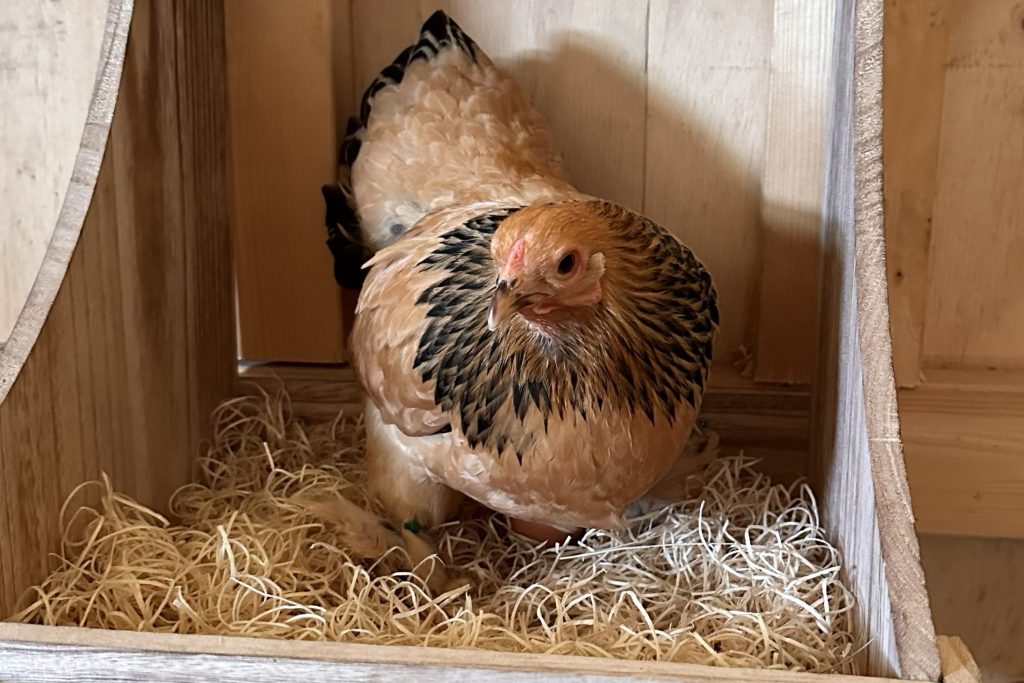
What is a calcium supplement for chickens?
A calcium supplement for chickens is a dietary additive. It provides calcium to support strong bones and eggshell formation in hens.
Why should I feed eggshells to my chickens?
Feeding eggshells to chickens provides a natural and cost-effective source of calcium. Which is essential for strong eggshell formation and poultry health.
Can I feed fresh eggshells to chickens?
No. Cook the eggshells before feeding them to your hens. This cleans and sanitizes the eggshells. Preventing the risk of Salmonella or other pathogens. If they associate the eggshells with food, they may start pecking at their own eggs. This is also why to cook and crush the eggshells before feeding them back to your chickens. At this point the eggshells no longer look, taste or smell like an egg.
Why do chickens need calcium supplements?
Chickens, especially laying hens, need adequate supply of calcium. To help produce strong eggshells and maintain their skeletal health. Calcium is essential for eggshell formation.
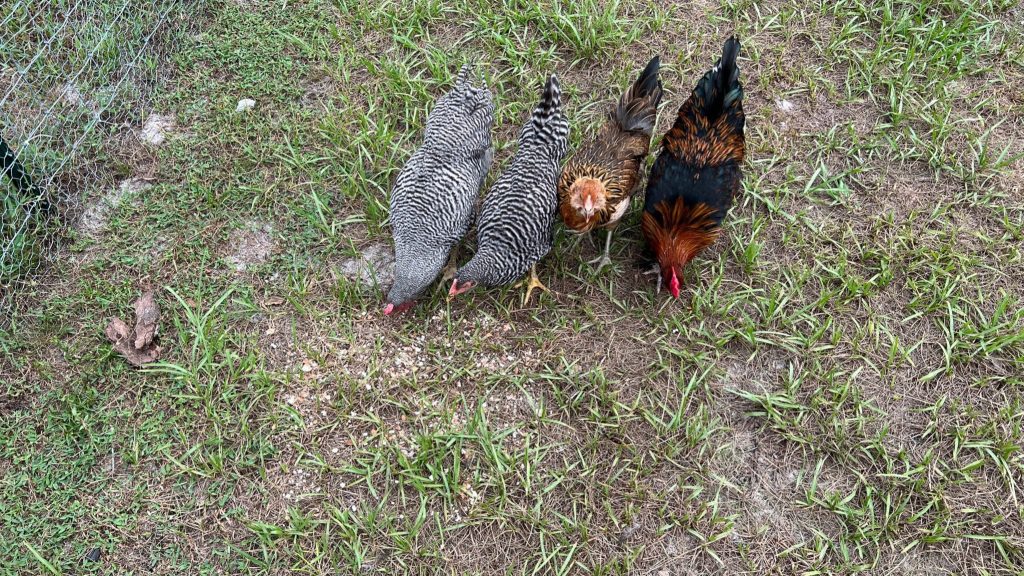
When should I give calcium supplements to my chickens?
Give to laying hens, especially during the period of egg production. When your hens begin laying, around 18-20 weeks of age. You can offer crushed eggshells as a supplement year-round.
Do all chickens need calcium supplements?
No, not all chickens need calcium supplements. Non-laying or growing chickens may not need as much calcium. Focus on providing supplements to your laying hens.
Can I feed eggshells to chicks and young chickens?
Yes, you can offer crushed eggshells to young chickens as soon as they start eating solid food. It’s particularly important for young layers to promote healthy development.
What are the signs of calcium deficiency in chickens?
Signs of calcium deficiency in chickens can be;
- Muscle Spasms
- Thin or Soft Eggshells
- Weak or Brittle Bones
- Reduced Egg Production
How can I determine if my chickens need calcium supplements?
Check the quality of eggshells your hens are laying. If you notice thin or soft shells, it may be an indicator that they need more calcium in their diet.
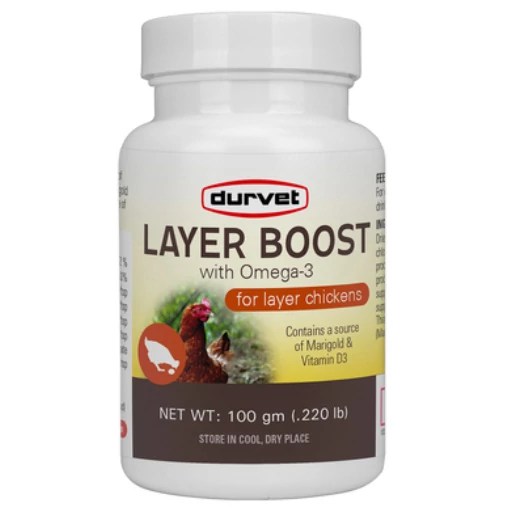
Durvet Layer Boost with Omega-3 incorporates marigold and vitamin D3 to support layer chickens. This soluble powder, free from antibiotics and all-natural, is enriched with a combination of vitamins, electrolytes, and enzymes for daily use with layer chickens. It also includes direct-fed microorganisms to enhance their health and well-being.
What are common sources of calcium for chickens?
Common calcium sources for chickens include;
- Limestone
- Crushed Eggshells
- Crushed Oyster Shells
- Commercial Calcium Supplements
Are there natural sources of calcium for chickens?
Yes, aside from supplements, you can offer natural sources of calcium like;
- Shell Grit
- Foraged Plants
- Kitchen Scraps (crushed eggshells)
How should I offer calcium supplements to my chickens?
You can provide calcium supplements in a separate dish or container. This allows your chickens to consume them free-choice. Ensure they have easy access to the supplements at all times.
Can I mix calcium supplements with regular chicken feed?
It’s best to offer calcium supplements separately from regular feed. This allows chickens to self-regulate their intake. Avoiding over-supplementing with calcium.
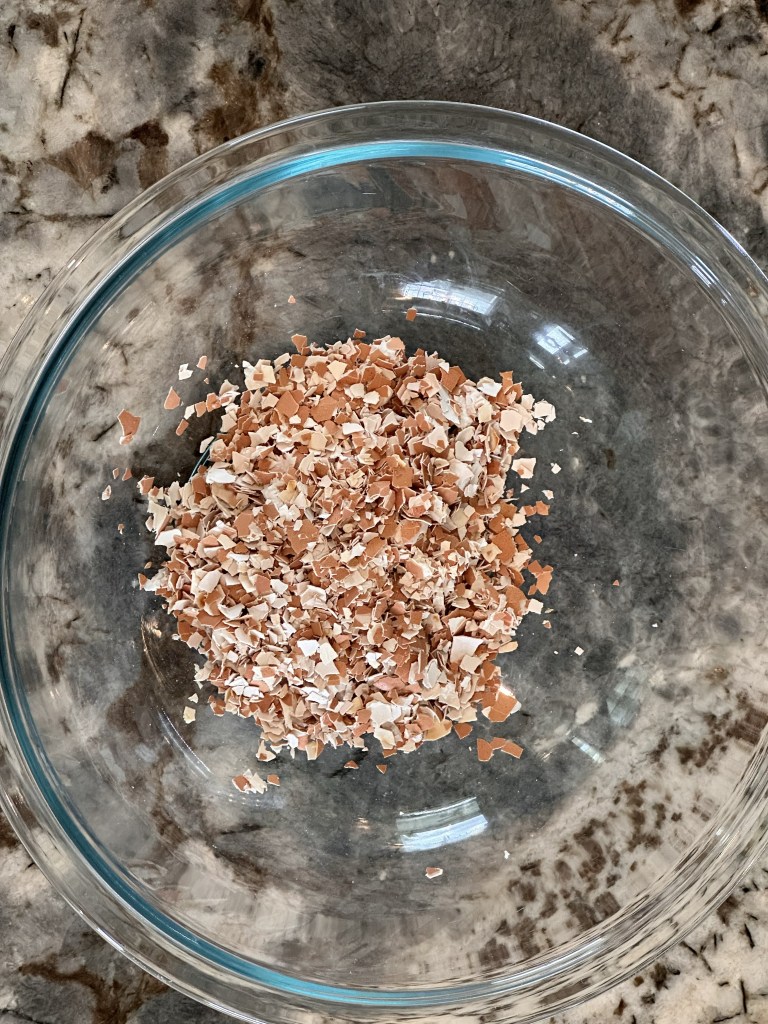
Crushed Vs Powder Eggshells
Here’s why both crushed and powdered eggshells can work.
The choice between crushed and powdered eggshells depends on your preference. Based on how you plan to offer them to your chickens. Some chicken keepers find that crushing the baked eggshells into small pieces is more convenient. While others prefer to create a fine powder for easier mixing with feed.
Can I over-supplement calcium to my chickens?
Yes, over-supplementing calcium can lead to health problems, such as kidney damage. Provide calcium supplements in moderation and track the calcium intake of your flock.
Do I need to provide more calcium supplements if I feed eggshells?
Yes. Use eggshells as a supplemental calcium source, not as the primary source of calcium. Relying on eggshells for the sole source of calcium may result in an imbalanced diet. Some commercial chicken feed has calcium already in them. Along with other nutrients needed to absorb calcium. Ensure your chickens have access to a balanced poultry feed.
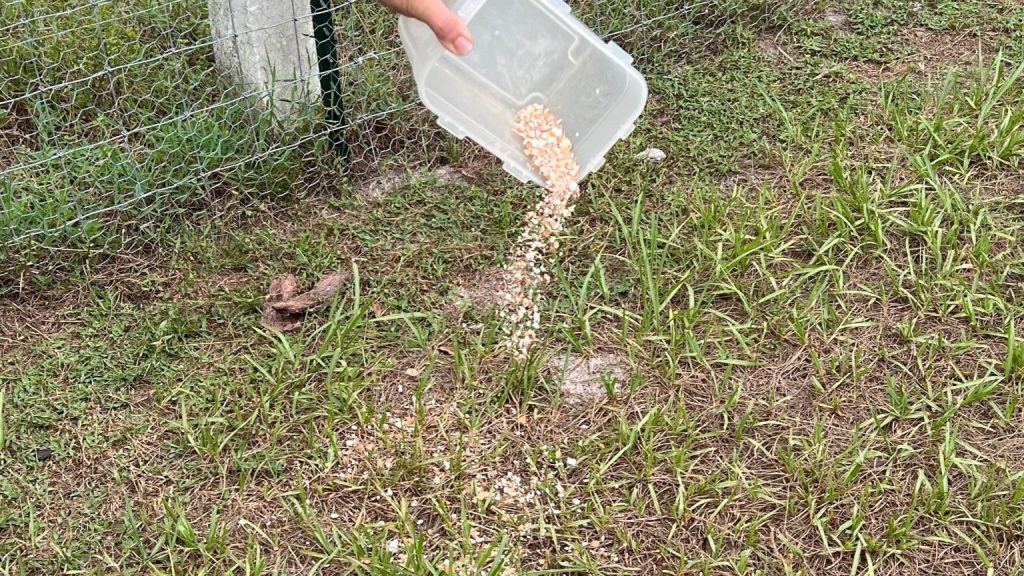
How do I store crushed eggshells for feeding?
Keep the crushed or ground eggshells into an airtight container. Store them in a dry, cool place. Make sure it’s sealed well to keep out moisture and contaminants.
Can feeding eggshells cause my chickens to lay shell-less eggs?
– No, feeding eggshells to chickens doesn’t lead to shell-less eggs. It helps provide the necessary calcium to strengthen eggshells.
How to feed eggshells to your chickens?
Materials
- Eggshells
- Baking Sheet
- Oven
- Blender, Food Processor or Coffee Grinder
- Optional for making powdered eggshells
How to prepare eggshells for feeding to chickens?

Step-by-Step Guide
- Collect and Clean Eggshells: Save eggshells from your kitchen as you use eggs. Wash them with warm water to remove any egg residue.
- Preheat the Oven: Preheat your oven to 300°F (149°C).
- Dry the Eggshells: Spread the clean eggshells evenly on a baking sheet or in an oven-safe dish.
- Bake the Eggshells: Place them in the preheated oven for 10 minutes. Make sure they are completely dry and sterile.
- Cool the Eggshells: Once baked, remove the eggshells from the oven. Let them cool down to room temperature. They should be brittle and easy to crush.
- Crush or Grind the Eggshells: Crush the eggshells into small pieces using a rolling pin, mallet, or by hand. For a finer powder, you can use a blender, food process or coffee grinder.
- Store the Eggshells: Put the crushed or ground eggshells into an airtight container. Make sure it’s sealed well to keep out moisture and contaminants.
- Offer to Your Chickens: Keep eggshells separate to allow the chickens to choice feed.
- Refill as Needed

This post contains affiliate links.


 Sunrise Chores for Small Animal Farm
Leave a comment