

The Ultimate Guide to Chicken Coops: Happy Hens and Healthy Living
Are you considering adding a flock of feathered friends to your backyard? One of the first decisions you’ll face is choosing the right chicken coop. The right chicken coop for you will depend on factors like your budget, available space, the number of chickens, and your personal preferences. Remember to prioritize proper ventilation, predator protection, and easy access for cleaning and egg collection when making your choice. To ensure your chickens are happy and healthy, one of the first things you’ll need is a well-designed chicken coop. In this article, we’ll walk you through the essentials of chicken coop ownership and answer some common questions.
Exploring Your Options
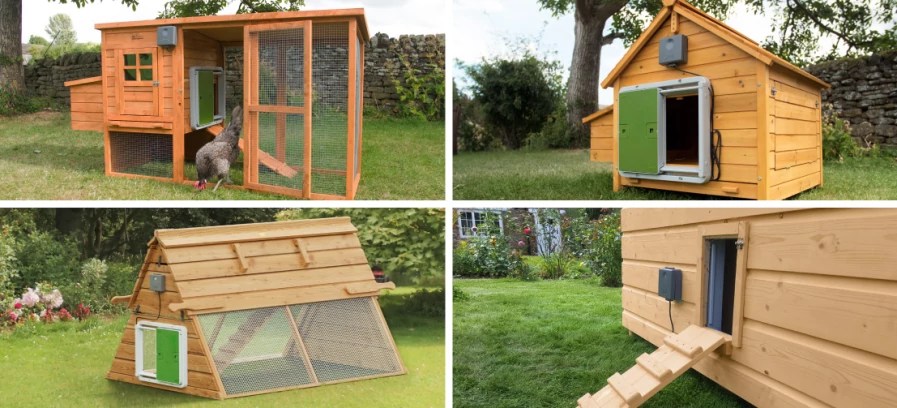
With various options of coops available, each type has its own set of pros and cons.
- Traditional Coop:
- Pros:
- Simple and easy to build or buy.
- Cost-effective for beginners.
- Can be customized to your liking.
- Cons:
- Limited mobility.
- May lack some modern conveniences.
- Pros:
- Mobile Coop (Chicken Tractor):
- Pros:
- Provides fresh foraging opportunities.
- Helps with natural pest control.
- Easy to move around the yard.
- Cons:
- Smaller space for chickens.
- Requires more frequent moving.
- Pros:
- A-Frame Coop:
- Pros:
- Space-efficient design.
- Good for small flocks.
- Easy access for cleaning.
- Cons:
- Limited headroom.
- May not accommodate larger flocks.
- Pros:
- Colonial Coop:
- Pros:
- Spacious and comfortable for chickens.
- Allows for nesting boxes and roosting bars.
- Aesthetically pleasing in your backyard.
- Cons:
- May take up more space.
- Potentially higher construction costs.
- Pros:
- Converted Shed:
- Pros:
- Budget-friendly if you have an existing shed.
- Easily customizable to your needs.
- Cons:
- May require modifications for proper ventilation and access.
- Pros:
- Chicken Runs:
- Pros:
- Provides safe outdoor space.
- Chickens can roam freely.
- Protects from predators.
- Cons:
- Limited shelter from weather.
- May not be as secure against determined predators.
- Pros:
- Coop and Run Combo:
- Pros:
- Offers both shelter and outdoor space.
- Versatile and secure.
- Cons:
- Requires more space in your yard.
- May be costlier due to added features.
- Pros:
- Chicken Coop with Green Roof:
- Pros:
- Aesthetically pleasing and eco-friendly.
- Provides insulation for chickens.
- Cons:
- Requires regular maintenance of the plants on the living roof.
- Pros:
- Stackable Coops:
- Pros:
- Space-saving and modular.
- Suitable for expanding flocks.
- Cons:
- Limited individual space for chickens.
- May require stacking and unstacking.
- Pros:
- Coop with Automatic Features:
- Pros:
- Convenient for busy chicken keepers.
- Ensures regular feeding and access.
- Cons:
- Initial investment cost.
- Maintenance and potential technical issues.
- Pros:
- Custom Coops:
- Pros:
- Tailored to your specific needs.
- Allows for creative design.
- Cons:
- Potentially higher costs and longer planning time.
- Pros:

What size chicken coop do I need?
The size of your chicken coop is a critical factor in keeping your chickens comfortable and content. Here’s a general rule of thumb: allow 2-3 square feet of space per chicken inside the coop. This space is essential for them to roost, move around, and nest comfortably. In addition to the indoor space, allocate 8-10 square feet per chicken for the outdoor run area. Remember that a larger coop and run will always be appreciated by your feathered companions.
How do I protect my chickens from predators?
Predators can pose a significant threat to your chickens, so it’s crucial to fortify your coop against them. Use sturdy materials for construction and invest in high-quality latches for doors. Cover windows and vents with hardware cloth or wire mesh to keep out raccoons, foxes, and birds of prey. To thwart burrowing predators like weasels or rats, consider installing an underground barrier.

What should I include in a chicken coop?
A well-designed chicken coop should provide everything your chickens need for a happy and healthy life. Here’s a checklist of essentials:
- Roosts: Install roosts for your chickens to perch on at night. Chickens prefer higher perches, so stagger them at different heights.
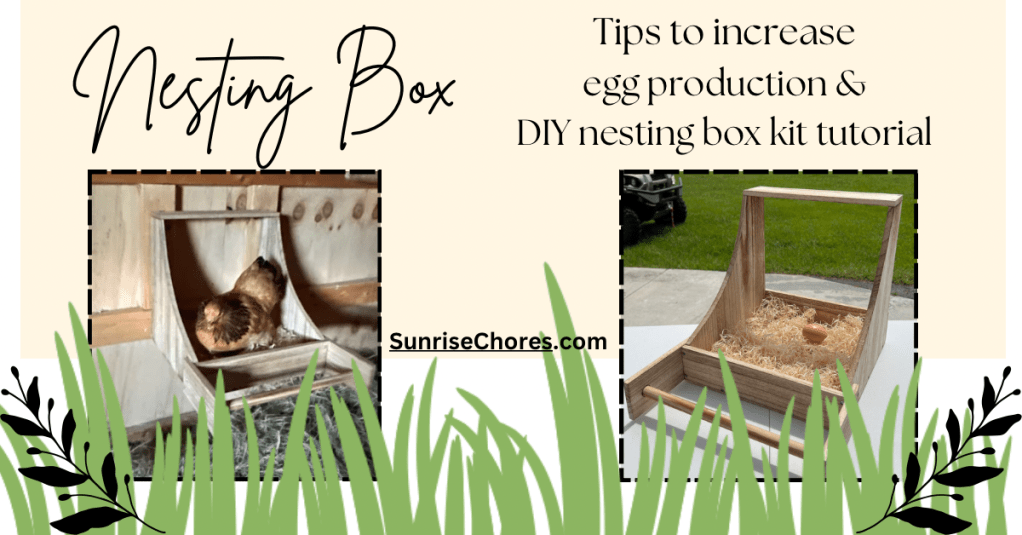
- Nesting Boxes: Chickens need private, cozy spaces to lay their eggs. Provide nesting boxes filled with clean straw or shavings for this purpose.
- Ventilation: Proper ventilation is essential to prevent moisture buildup and maintain air quality. Install vents near the top of the coop to allow warm, moist air to escape.
- Feeder and Waterer: Ensure easy access to a feeder and waterer, keeping them clean and filled at all times.

How can I keep my chickens warm in winter?
Insulate the coop, use draft blockers, and provide heat lamps or heated waterers if necessary. Ensure good ventilation while preventing drafts.
How do I keep my coop clean?
Maintaining a clean coop is crucial for your chickens’ health. Regularly remove soiled bedding and replace it with fresh straw or wood shavings. Clean the nesting boxes and roosts as needed. Good ventilation will help reduce moisture and odor inside the coop.

Do I need a run or outdoor space for my chickens?
Yes, providing an outdoor run attached to the coop is essential. This outdoor space gives your chickens access to fresh air, sunlight, and the opportunity to forage for bugs and vegetation, contributing to their overall well-being.
Whichever coop type you decide on, by addressing these key aspects of chicken coop ownership, you’ll be well on your way to providing a safe and comfortable home for your backyard


This post contains affiliate links.

 Sunrise Chores for Small Animal Farm
Leave a comment