
Are You Accidentally Poisoning Your Chickens? Avoid These 10 Forbidden Foods!
What foods to avoid feeding chickens. Even though chickens are omnivores and can eat a variety of foods, it is import to avoid certain foods that can be toxic to them. Harmful foods can lead to a range of health problems and potentially be life-threatening. The specific effects can vary depending on the type and amount of harmful food consumed. This guide explains which foods to avoid and why.
Avoid
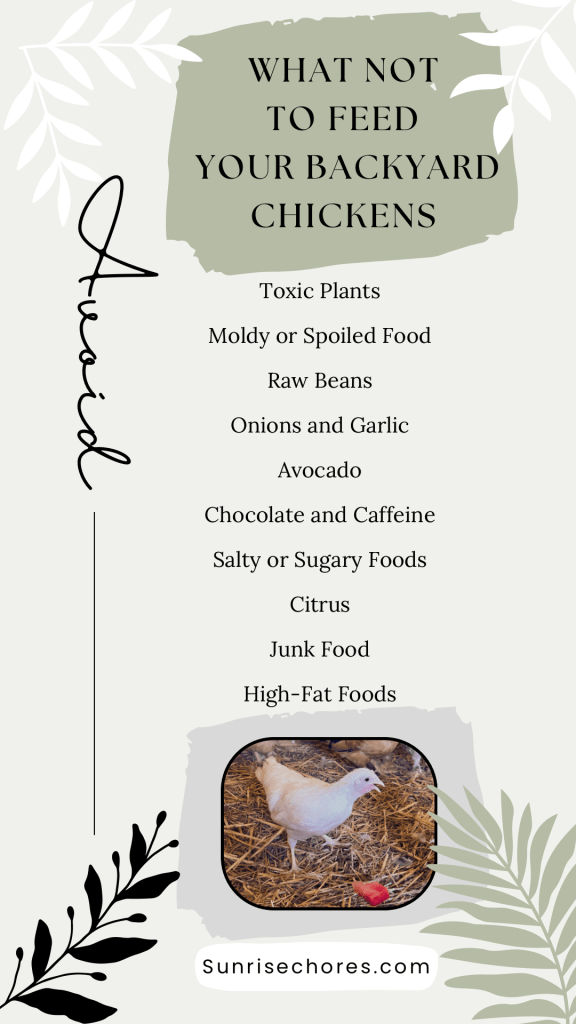
Chickens should not have access to toxic plants such as nightshade, rhubarb leaves, foxglove, and oleander, which can be poisonous to them. Raw beans, including kidney beans and others, contain a compound called lectin. Lectin can be toxic to chickens and cause digestive issues. Cooking beans thoroughly removes this toxin, making them safe to feed. Mold can contain mycotoxins that are harmful to chickens. Always ensure that any kitchen scraps or leftovers you provide are fresh and free of mold. Avocado contains a substance called persin, which can be toxic to birds, including chickens. Avoid feeding them any part of the avocado. Chocolate and caffeinated products contain theobromine, which is toxic to birds and can have severe consequences if ingested.
Symptoms
Symptoms can range from lethargic and weakness to more severe reactions depending on the toxin. Poor nutrition or exposure to toxins can lead to a decrease in egg production or the production of eggs with weak shells. Chickens may exhibit changes in behavior, such as lethargic, decreased foraging, or agitation, when they consume harmful substances.

Photo by Kepika Thapa on Pexels.com 
Photo by Jill Burrow on Pexels.com 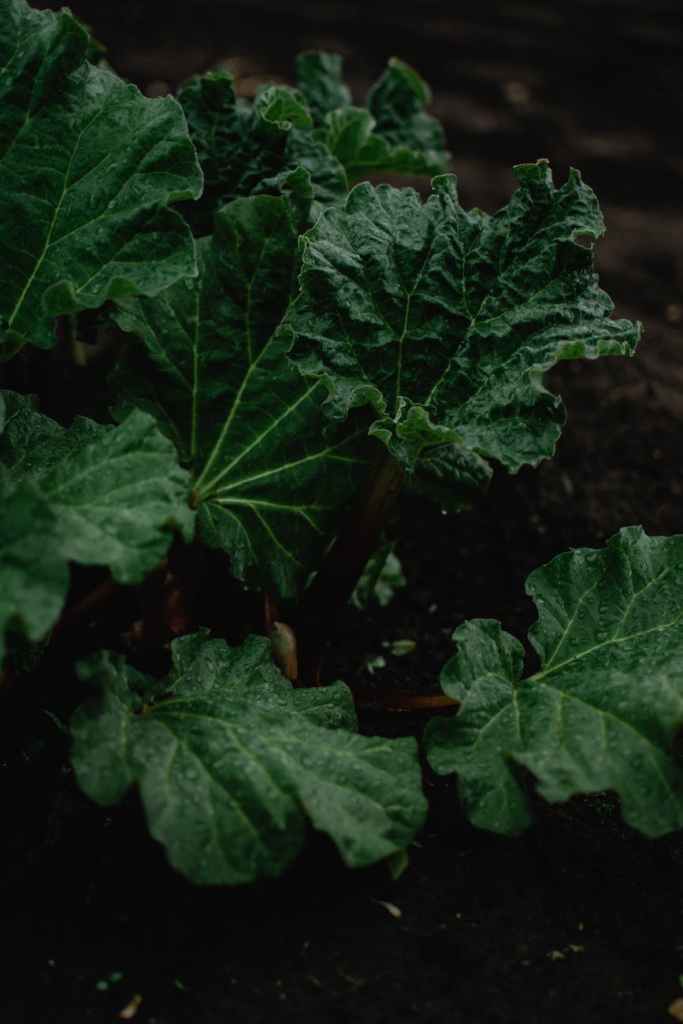
Photo by Eva Bronzini on Pexels.com 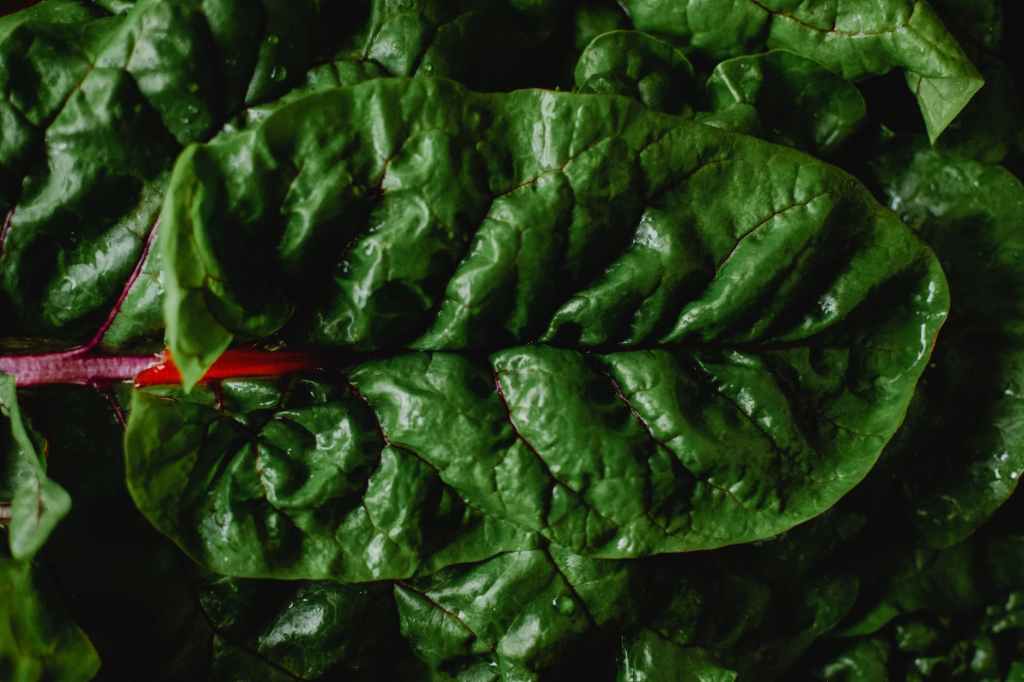
Photo by Eva Bronzini on Pexels.com 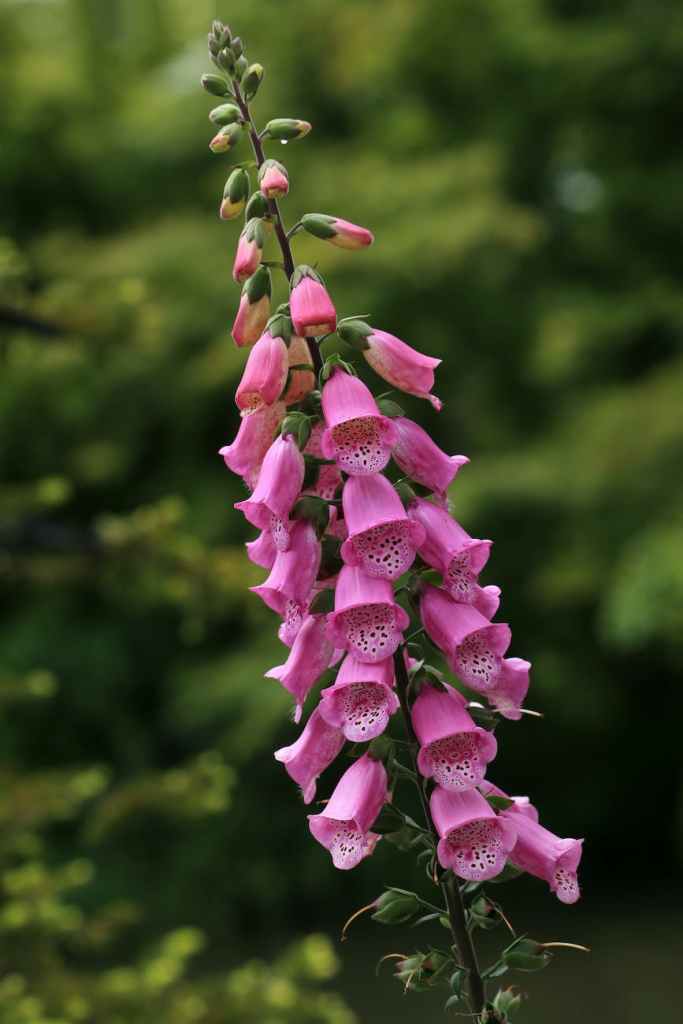
Photo by Jeffry Surianto on Pexels.com 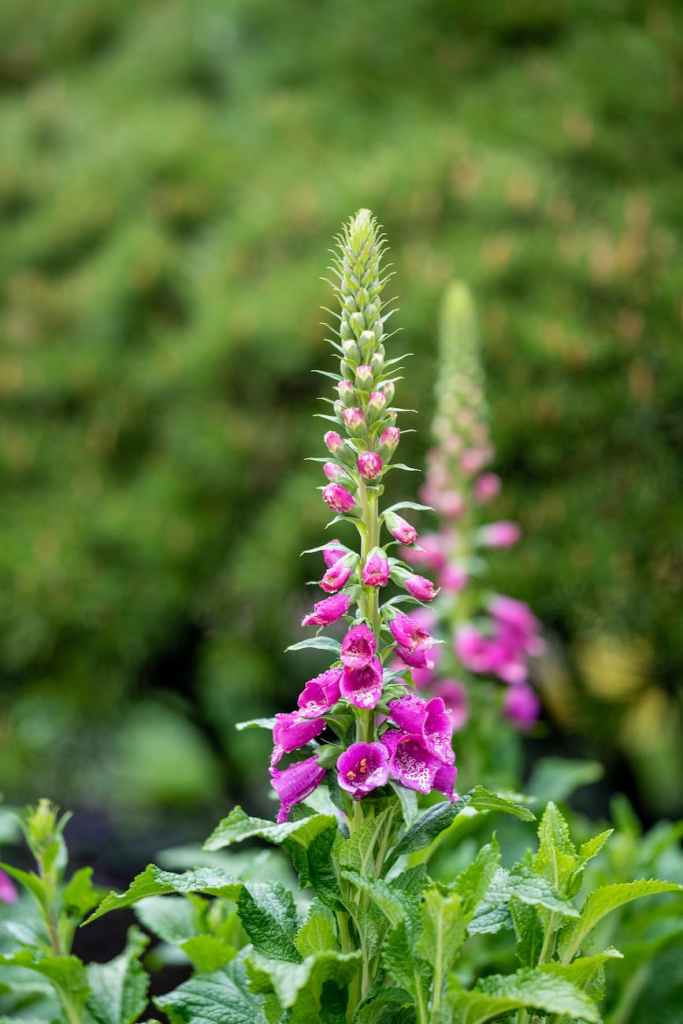
Photo by Skyler Ewing on Pexels.com 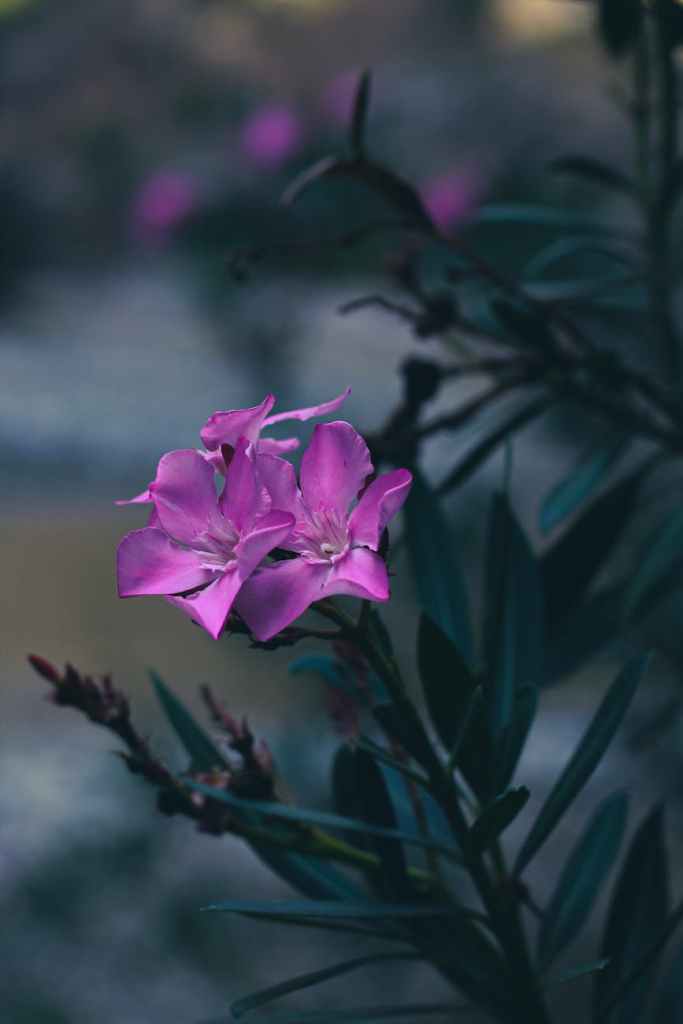
Photo by Reyhan Aslan on Pexels.com 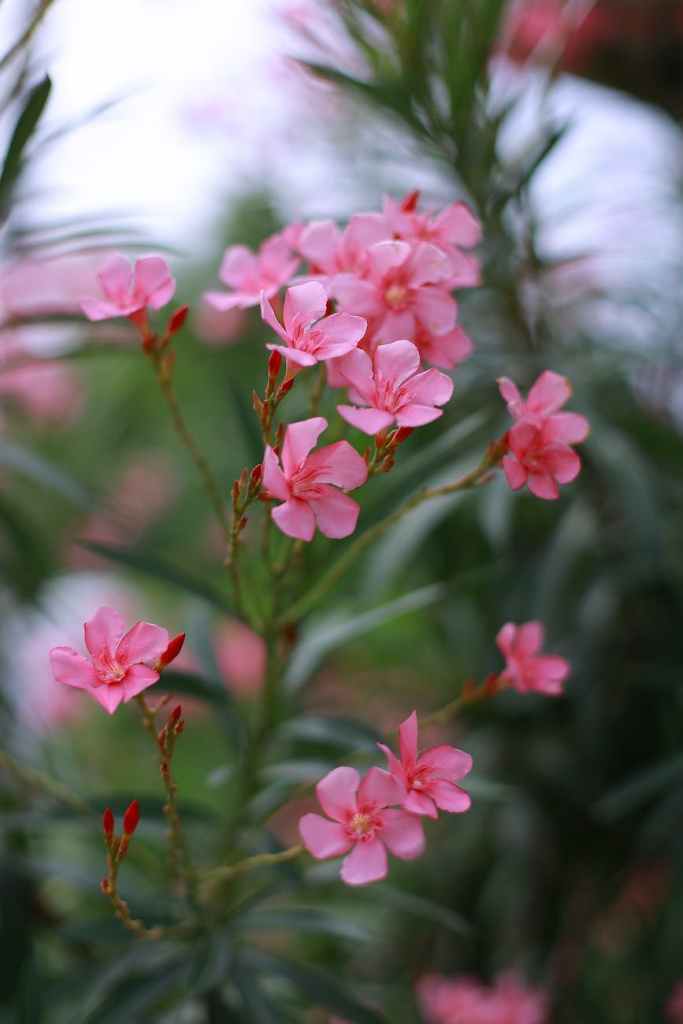
Photo by Nila Racigan on Pexels.com
Avoid
Onions and garlic contain compounds that can be harmful to chickens when consumed in large quantities. While small amounts are usually not a problem, it’s best to avoid feeding them these items altogether. Citrus fruits like oranges, lemons, and grapefruits are acidic and can disrupt a chicken’s digestive system if fed in large quantities. Occasional small amounts are usually not harmful.
Symptoms
Chickens may experience an upset digestive, including diarrhea, vomiting, or crop impaction, when they eat something their stomachs can’t handle. Feeding inappropriate or unbalanced foods can result in nutritional deficiencies or imbalances, leading to health issues such as poor growth, weak eggshells, or feather problems.
Avoid
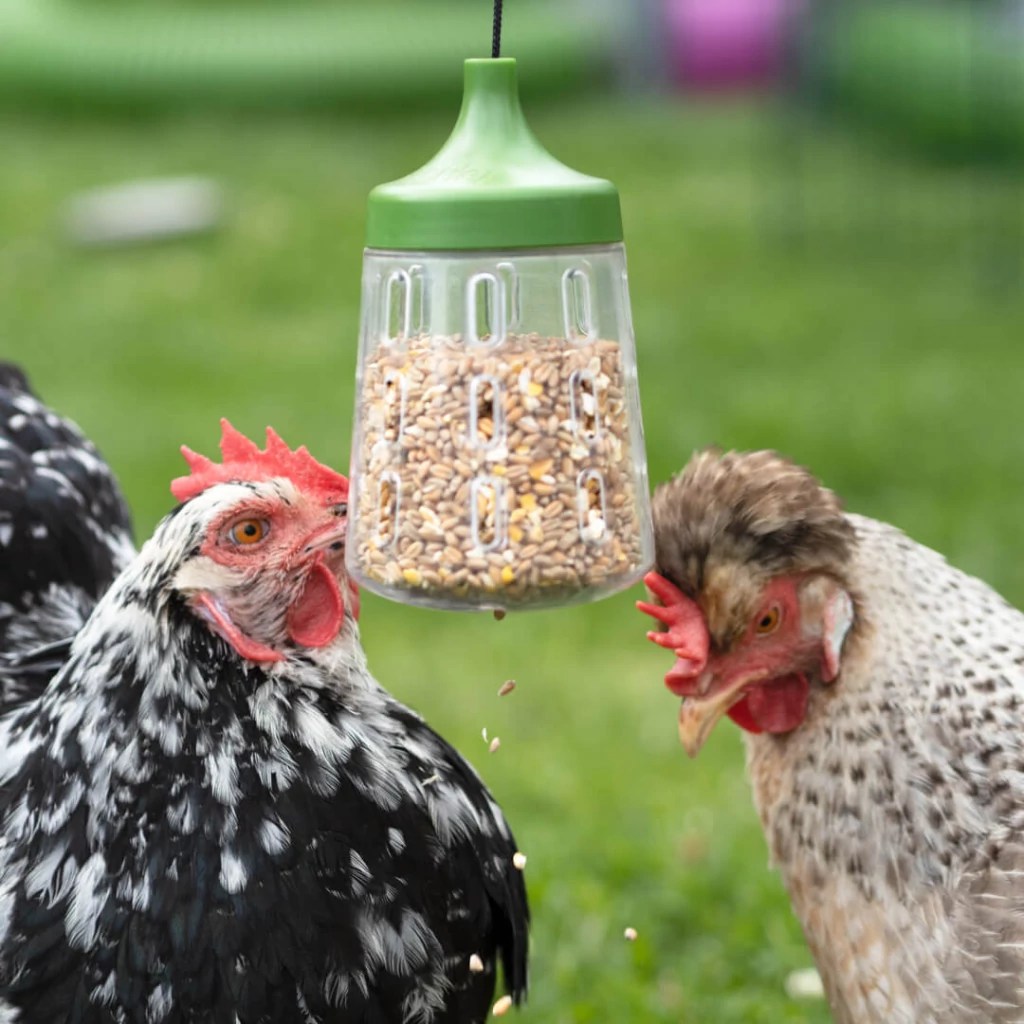
Chickens don’t handle excess salt or sugar well. Avoid feeding them highly processed or salty snacks and sugary treats. Junk food items like chips, candy, or fast food leftovers may be tempting to share, but they are not nutritious for chickens and can lead to health problems. Foods high in fats, like deep-fried items, should be avoided.
Symptoms
Feeding high-fat or high-calorie foods can lead to obesity in chickens, which can contribute to various health problems, including heart issues and difficulty moving. Inappropriate foods can disrupt a chicken’s metabolism, potentially causing disorders like fatty liver syndrome or kidney problems. In severe cases or with highly toxic foods, ingestion can lead to the death of the chicken.
If you suspect your chicken has consumed something harmful, it’s advisable to consult with a veterinarian or seek guidance from a poultry expert for appropriate care and treatment. Ensuring that your backyard chickens receive a balanced and healthy diet is essential for their well-being. Avoiding these harmful foods and providing them with quality chicken feed, fresh water, and a variety of safe kitchen scraps and treats in moderation will help keep your feathered friends happy, healthy, and thriving in your backyard. Always remember that a well-fed chicken is a happy and productive one!
-
9 Ingredients to Avoid in Chicken Feed
Ingredients to avoid when shopping chicken feed When buying chicken feed, it’s essential to avoid certain harmful or inadequate ingredients. Such ingredients may be harmful to your chickens. Here are some ingredients to avoid: 1. Medicated Additives: Some chicken feeds contain medications such as antibiotics or coccidiostats. Unless a veterinarian prescribes them for a specific health…
-
Feeding Chickens Pumpkin Seeds

Feeding pumpkin seeds to your chickens is a simple process. Here’s a step-by-step guide on how to do it: How should I prepare pumpkin seeds for chickens? Can chickens eat pumpkin flesh as well as the seeds? Yes, chickens can also eat pumpkin flesh. It’s a good way to reduce waste when you carve or…
-
DIY Calcium Supplement for Chickens

Benefits of Calcium Supplements for Chickens Especially for Laying Hens Stronger Eggshell Quality: Strong and more durable egg shells is the primary benefit of calcium supplement. Calcium is a vital part of eggshell formation. A deficiency can result in thin or soft shells that are prone to breaking or other problems. It helps reduces losses…
This post contains affiliate links.


 Sunrise Chores for Small Animal Farm
Leave a comment