From Tiny Fluffballs to Majestic Hens: The 8-Week Journey of Raising Chicks!
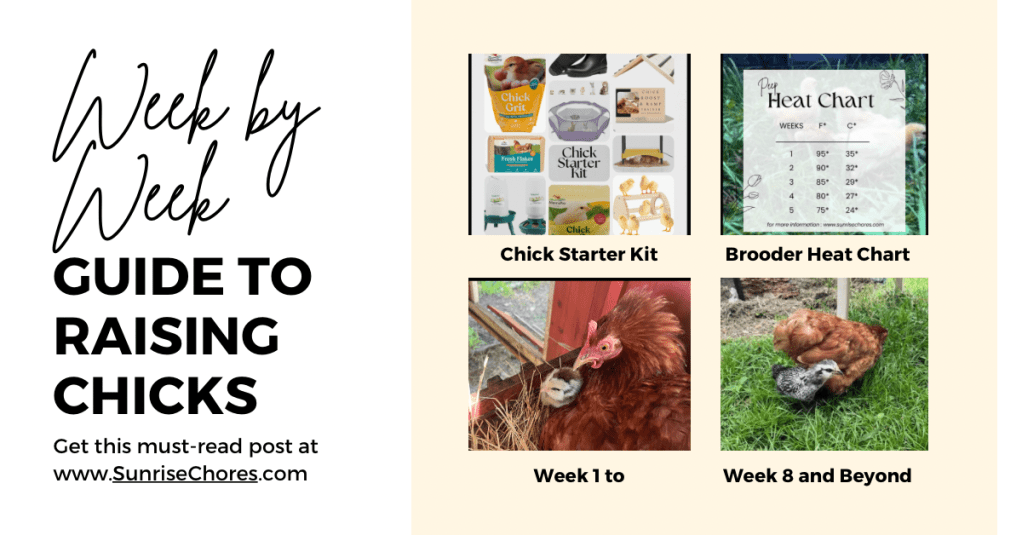
Raising chicks involves careful attention to their needs. For warmth, shelter, nutrition, and care. Here’s a week-by-week guide to raising baby chicks.
Baby Chicks Care
Week 1
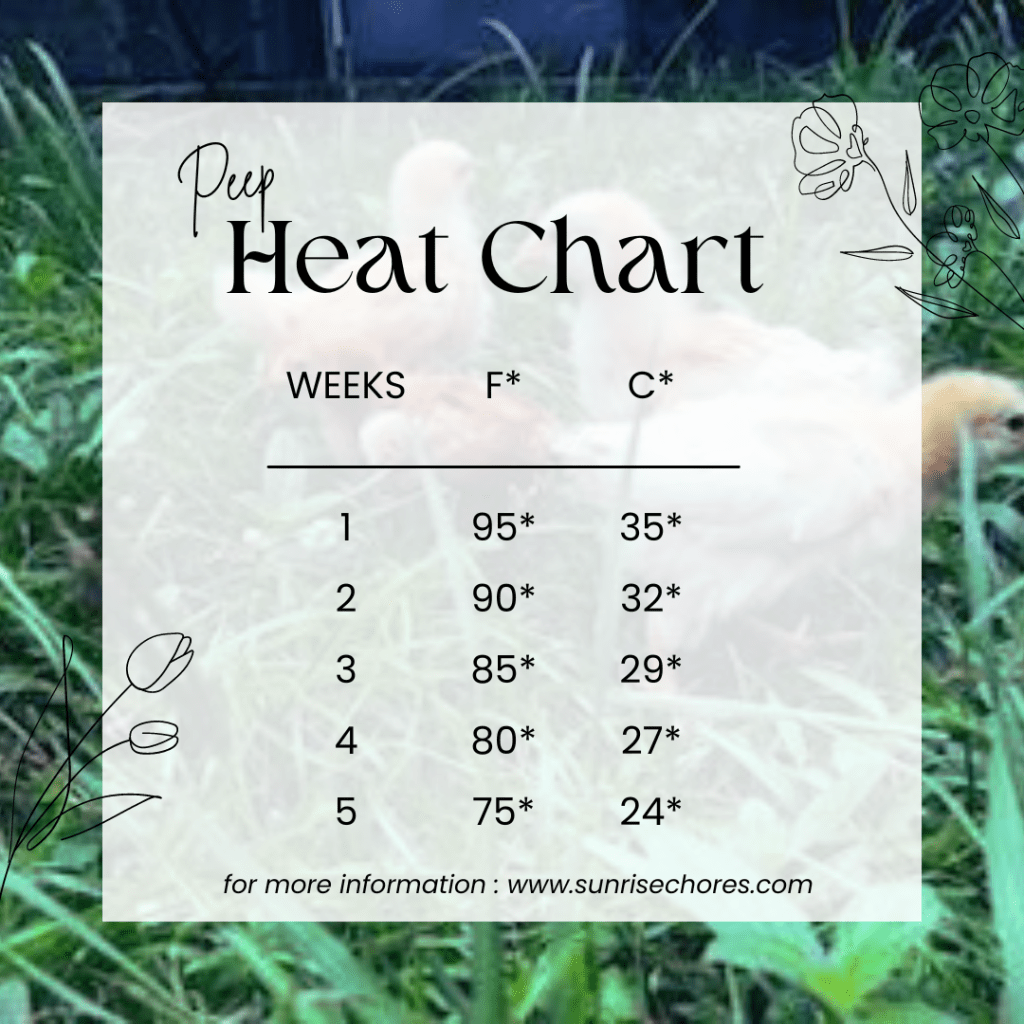
- Using a heat source such as a heat lamp or a specialized brooder lamp. Maintain a temperature around 95°F (35°C) for the first week. Keep the brooder clean and dry to prevent disease.
- Gradually reducing the temperature by about 5°F (2.8°C) per week. Until they are fully feathered and can regulate their own body temperature.
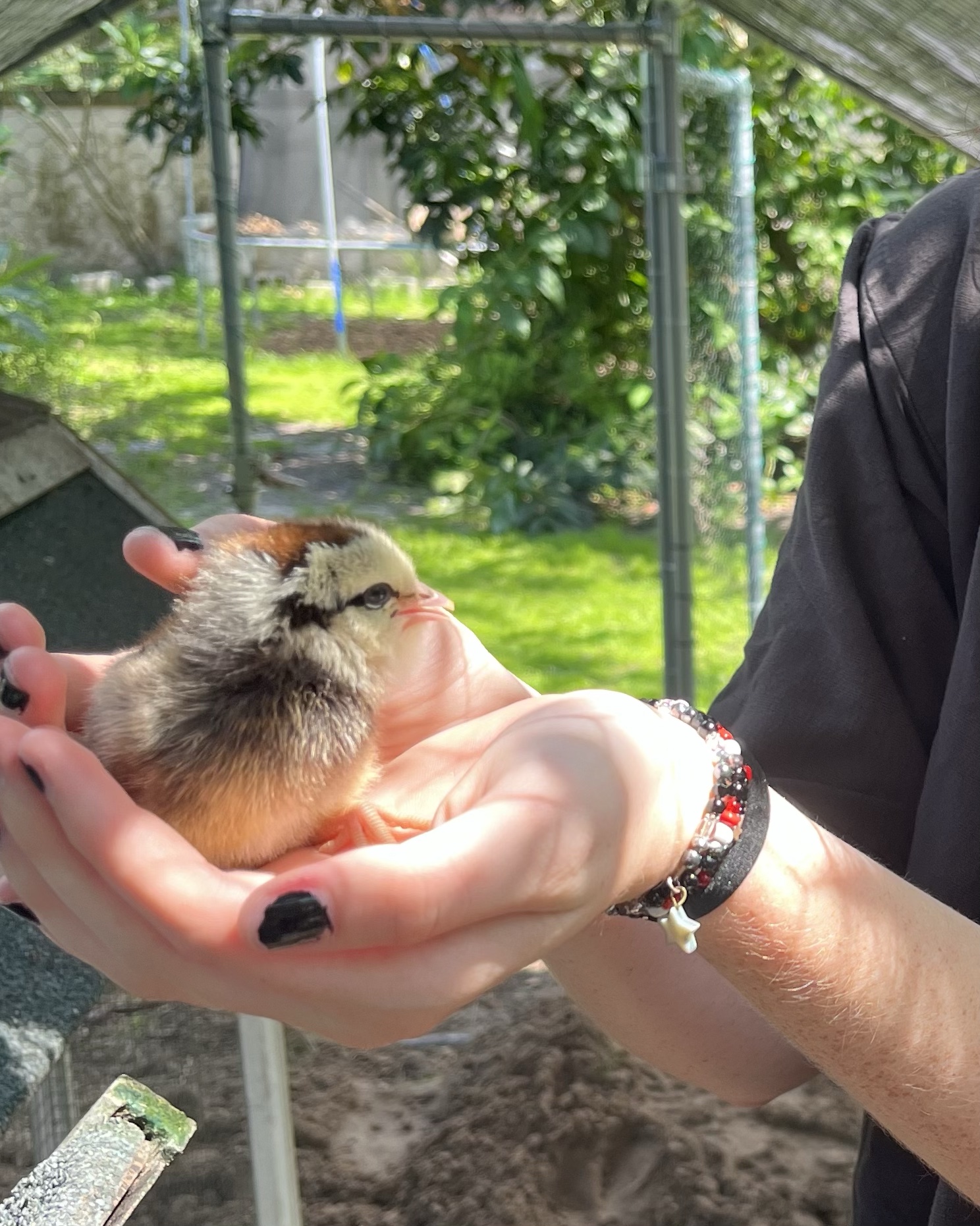
- Avoid excessive handling, but gently introduce them to your presence.
Week 2
- Gradually reduce the temperature in the brooder to 90°F (32°C).
- Chicks will start to grow feathers and become more active.
- Continue to provide fresh water and starter feed.
Week 3
- Lower the temperature to 85°F (29°C).
- Chicks’ wing feathers will be more developed.
- They will be more curious and willing to explore.
- Offer grit to aid digestion if you’re giving them treats other than chick feed.
- You can introduce small amount of finely chopped greens, fruits or scrambled eggs.




Week 4
- Decrease temperature to 80°F (27°C).
- Chicks will continue feathering and their wing feathers will be noticeable.
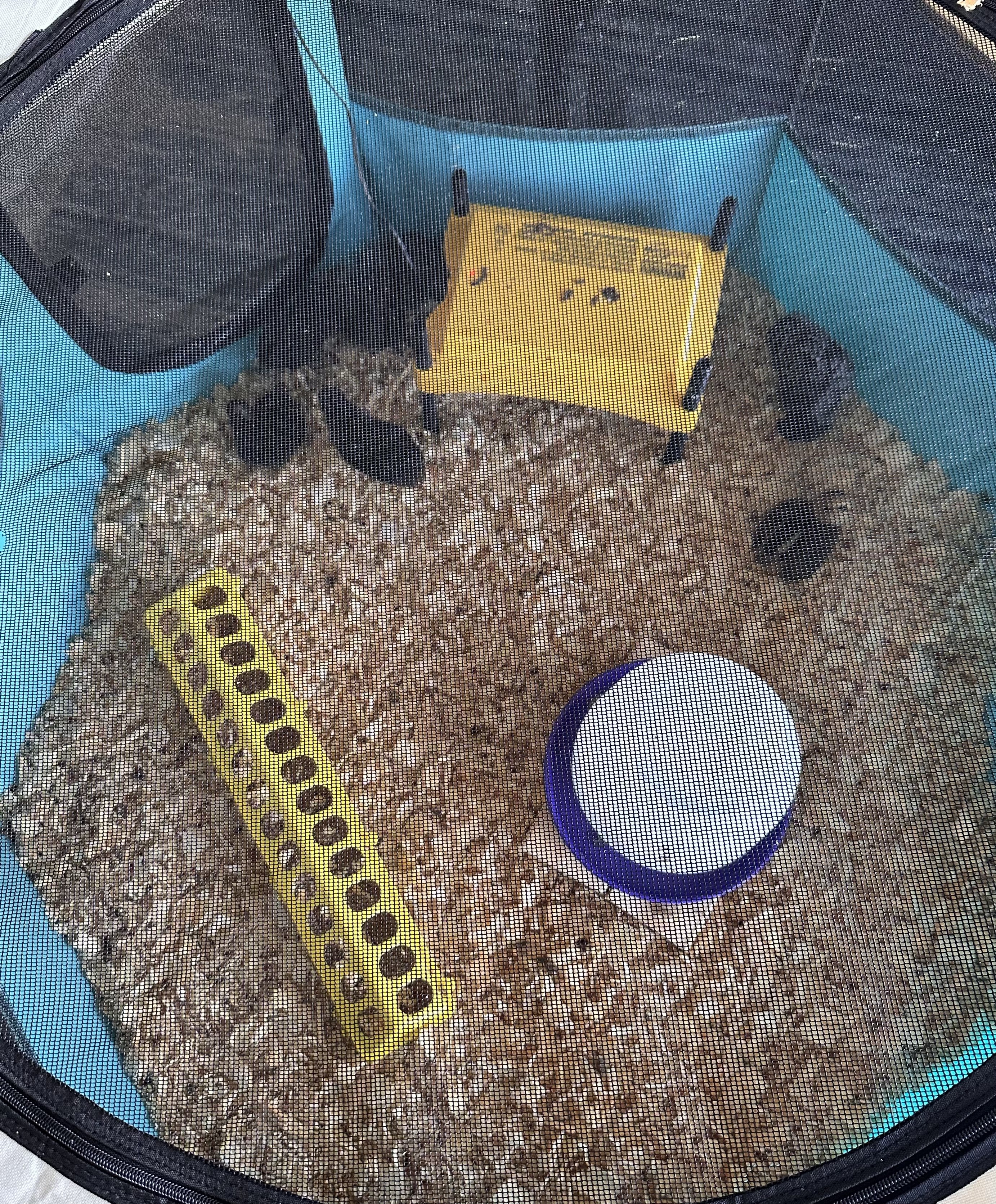
- Increase their space in the brooder to accommodate their growing size or move them to a larger area.
- Continue to provide starter feed, water, and treats.
Week 5
- Lower the temperature to 75°F (24°C) or ambient room temperature.
- Chicks will be almost fully feathered.
- You can start transitioning them to the outdoors environment. For short supervised periods and gradually increasing the duration.
Week 6
- As they mature, they’ll need less heat and more space.
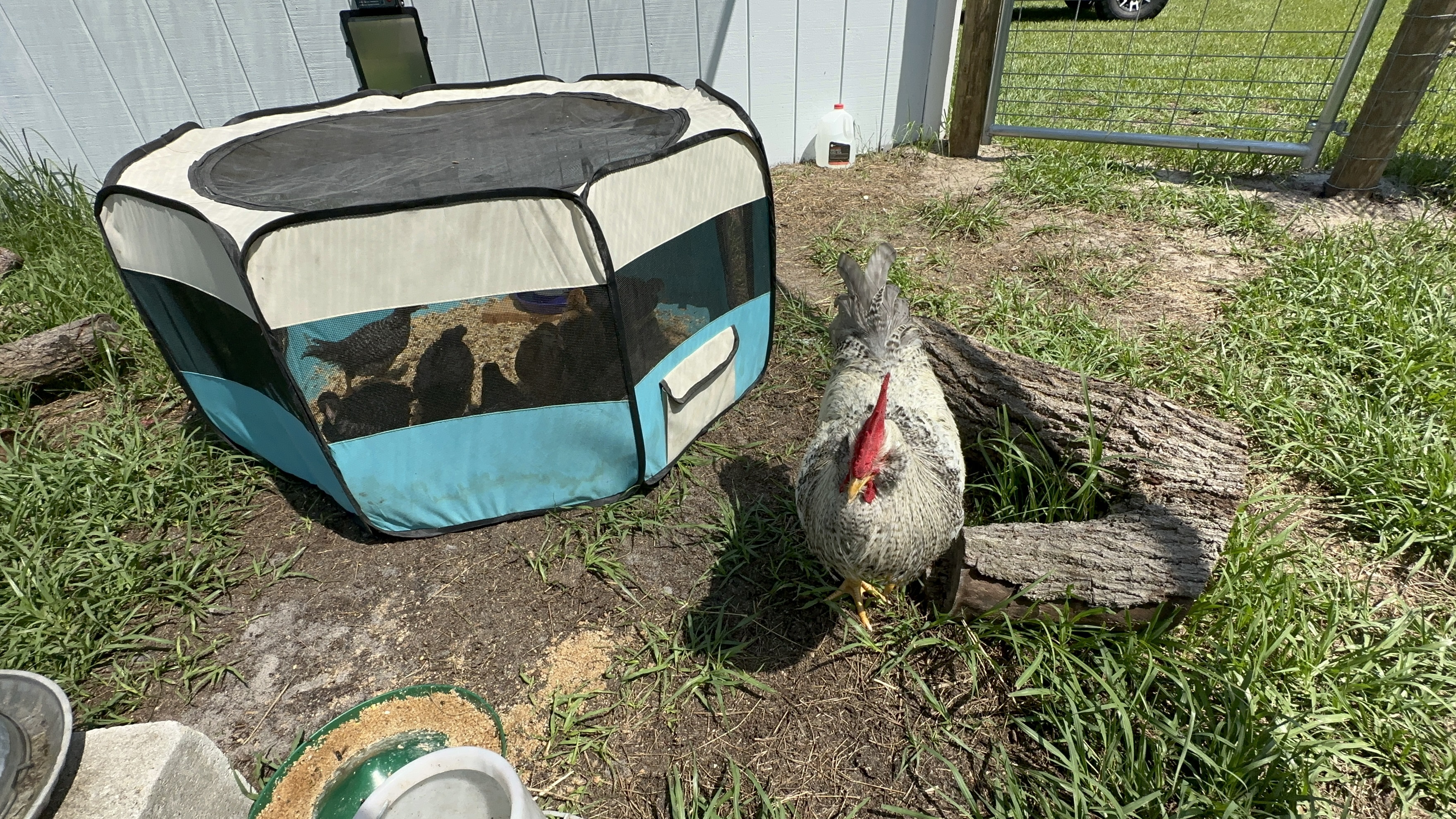
- Gradually introduce chicks to outdoor life. Ensuring they have shelter and protection from predators.
- They will be more independent and may start scratching and pecking at the ground.
- Begin the transition to a coop or a designated space with proper roosts and nesting boxes.
Week 7
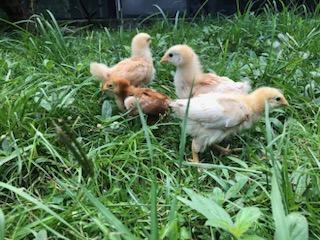
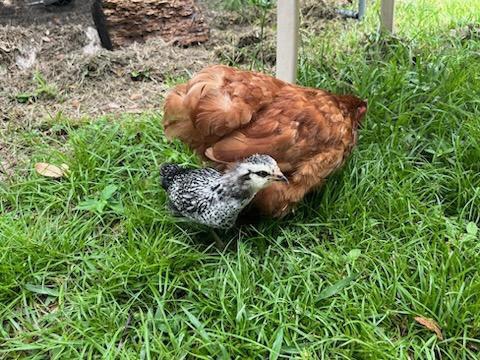
- Chicks will have developed adult feathers. They will look more like miniature versions of their adult selves.
- They can spend more time outdoors but should still have access to a secure coop.
- Fully transition them to the coop at the end of the week.
Week 8 and Beyond
- Chicks are now considered juveniles.
- Watch their health and continue to provide a balanced diet.
- Gradually introduce them to the existing flock if you have other chickens.
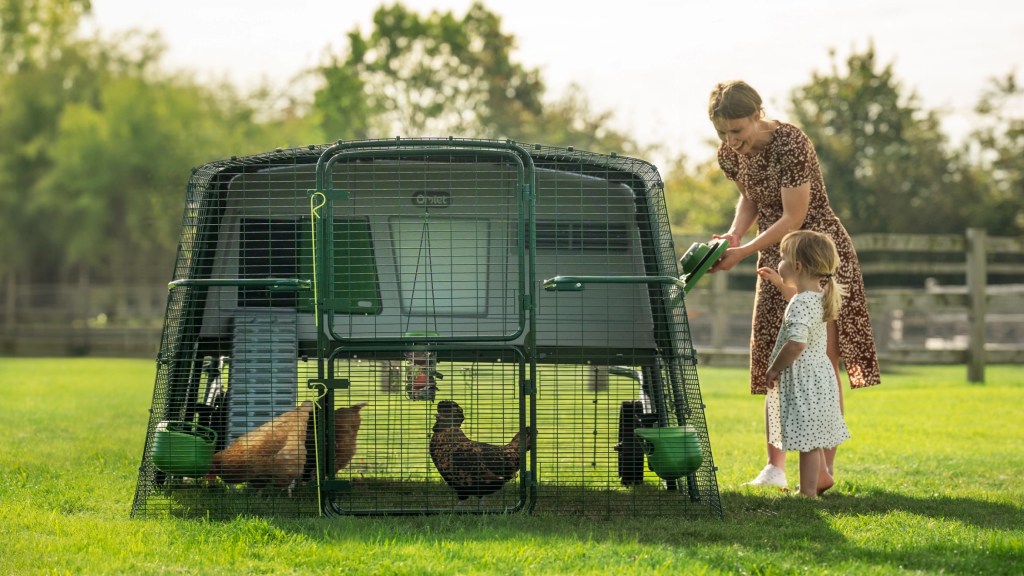
- Make sure the coop is predator-proof, well-ventilated, and has appropriate roosts and nesting boxes.
- If they’re going outside, protect the area from predators. Like hawks, raccoons, dogs and cats.
Around 16-20 weeks (4-5 months). Gradually transition them from chick starter to a balanced layer feed. Especially if you are raising hens for egg production. They can have more complex foods as they mature.
Remember, these are general guidelines. Individual chicks may develop at slightly different rates. Raising chicks requires regular attention. Keep a close eye on their behavior, health, and comfort, and adjust as they grow. Research and adapt your approach based on their needs. Be observant, provide proper care, and you’ll have healthy and happy chicks. That will eventually become productive members of your flock.



This post contains affiliate links.


 Sunrise Chores for Small Animal Farm
Leave a comment