10 Essential Tips You’ll Wish You’d Had Before Getting Backyard Chickens!
Thinking about getting backyard chickens? Here are a few key things to know before getting started. If you dived headfirst into the chicken realm and are now looking for some pointers this guide is for you.

Let’s hatch out the details!
1. Local Regulations
Some areas have restrictions on;
- Coop Placement
- Living Conditions
- Noise Ordinances,
- Roosters can be noisy
- Number of Chickens
2. Space Matters
Do I need a lot of space for backyard chickens?
Generally, you’ll need about 2-3 square feet per chicken inside the coop. The outdoor run about 8-10 square feet per chicken. They need enough room to roam, scratch, and forage.
3. Coop Design
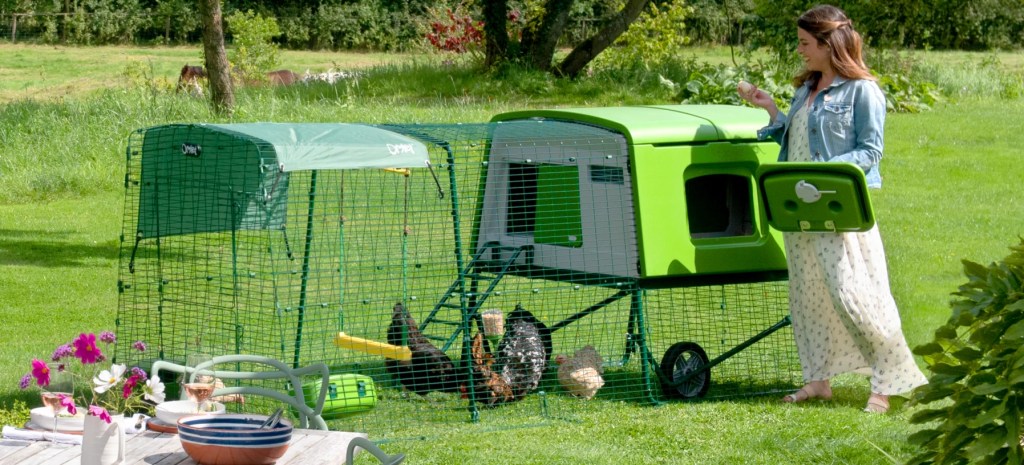

Make sure your coop is secure from predators like raccoons, foxes, and birds of prey. The coop needs to be well-ventilated. Also have enough roosting space and nesting boxes for the number of chickens you plan to keep.
Provide adequate shelter and insulation in the coop during cold weather. This helps prevent frostbite and keeps your chickens warm.
Read more about Choosing the Perfect Chicken Coop
How do I keep my chickens safe from predators?
Secure the coop with sturdy locks and use predator-proof wire mesh. Consider extra measures like electric fencing or motion-activated lights.
4. Breed Selection
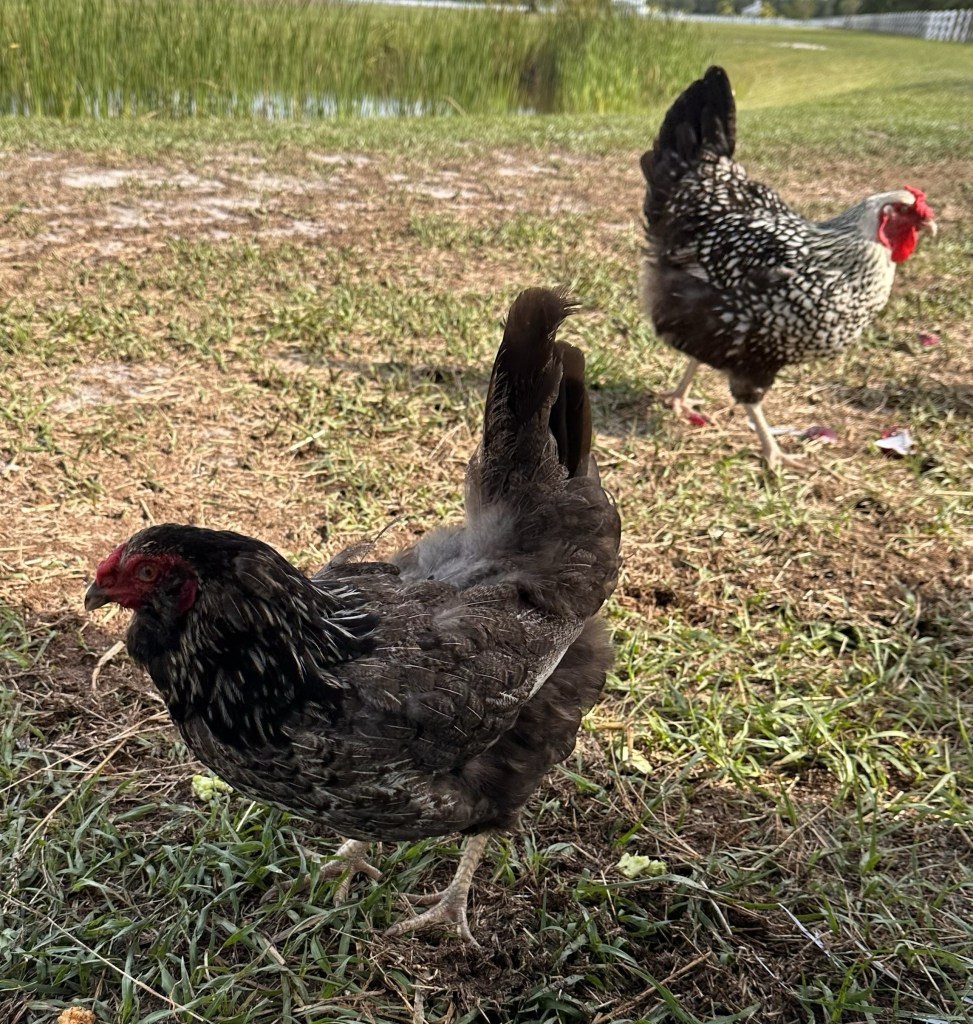
Some breeds are better for egg production, while others are more decorative. Some lay colorful eggshells, while others are more for friendly pets.
What chicken breeds are best for beginners?
Some beginner-friendly breeds include Rhode Island Reds, Plymouth Rocks, and Sussex. Research and choose breeds based on your climate and egg-laying preferences.
5. Chick Care
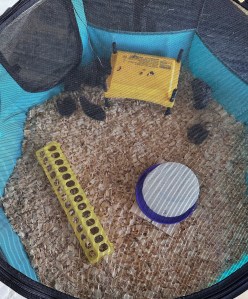
What are the essential supplies for keeping chicks?
- Bedding
- Heat Source
- Clean Water
- Chick-specific Feed
As they grow, transition to a balanced layer feed to ensure optimal health and egg production. Learn more about raising chicks at Chicks 101 and Week-by-Week Guide to Raising Chicks.
6. Feeding and Watering

What do chickens eat, and how often should I feed them?
- Provide feed once or twice a day.
- They need good-quality layer feed. layer feed provides the necessary nutrients for healthy hens and delicious eggs.
- Supplemented with kitchen scraps and occasional treats. Scraps and treats should be no more than 10% of their daily diet.
- A consistent supply of clean water.
7. Eggpectations
Most breeds begin laying around 5-6 months of age, but this can vary. Hens lay fewer eggs as they get older. Be patient and enjoy the journey as you anticipate those first eggs!
Do chickens need a rooster to lay eggs?
No, hens will lay eggs without a rooster. You only need a roosters if you want fertile eggs for hatching.
8. Health Maintenance
What should I know about chicken healthcare?
Learn to spot common illness like parasites, respiratory infections, and egg-related problems. Keep the coop clean, and practice good hygiene to prevent disease.
9. Social Creatures
How many chickens should I start with?
It’s good to start with a small flock such as 3-4 chickens. This prevents loneliness and bullying. If you’re new to raising chickens starting with a small flock allows you to gain experience without becoming overwhelmed.
10. Egg-citing Rewards

Fresh, homegrown eggs with vibrant yolks are one of the many rewards of backyard chicken keeping.
Collect eggs daily to keep them clean and prevent broody behavior (sitting on eggs to hatch them).
Freshly laid eggs can be stored at room temperature for a short period of time. they are best stored in the refrigerator for longer shelf life.
Learn about Chicken Nesting Boxes.
How long do chickens live?
Chickens can live 5-10 years or more, depending on their breed and how well they’re cared for.

What should I do with chicken waste (manure)?
Chicken manure is an excellent fertilizer. To reduce pathogens compost waste first. This can be a valuable addition to your garden.
So, there you have it. A crash course on what to know before you embark on your backyard chicken adventure. Get ready to enjoy the charm and character that these feathered friends will bring to your life!
What Are 10 Benefits To Keeping Chickens?
- Fresh Eggs: One of the most obvious benefits is a steady supply of fresh, nutritious eggs.
- Pest Control: Chickens help control insects and pests in your yard or garden by foraging for bugs.
- Fertilizer: Chicken droppings is a natural fertilizer. You can use it in your garden.
- Entertainment: Chickens can be amusing with their unique behaviors.
- Sustainability: Raising chickens can be a sustainable food source. That can reduce your reliance on store-bought eggs.
- Education: It’s a great educational experience. Especially for children, teaching responsibility and animal care.
- Companionship: Chickens can be friendly and provide companionship.
- Stress Reduction: Interacting with chickens can reduce stress. It can also promote a sense of calm.
- Recycling Kitchen Scraps: Chickens can help recycle kitchen scraps and leftovers, reducing waste.
- Local Food Production: Promotes local and small-scale food production. Contributing to a more self-sufficient lifestyle.
-

Battling Chicken Lice
-

How Long Do Farm Fresh Eggs Last?
-
9 Ingredients to Avoid in Chicken Feed
-
9 Ingredients to Avoid in Chicken Feed
-

21 Day Guide For Incubating Chicken Eggs
This post contains affiliate links.
 Sunrise Chores for Small Animal Farm
Leave a comment